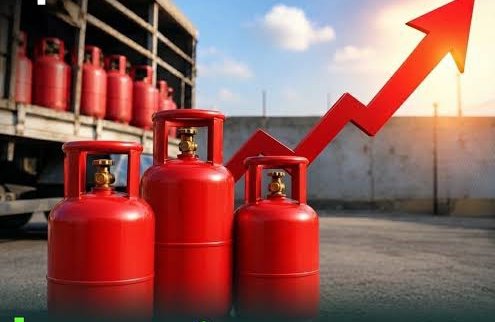
ISLAMABAD: Liquefied petroleum gas suppliers are calling on Pakistan’s government to abandon monthly pricing and adopt weekly or daily rates tied to market realities, warning that a border closure and outdated regulations have sent cooking fuel prices surging ahead of winter.
The LPG Marketing Association, which represents more than 200 companies, said prices jumped by 100 rupees ($0.36) per kilogram over the weekend after the government withdrew a trade exemption for Iranian imports. Vice Chairman Mohammad Ali Haider warned costs could climb further without immediate intervention.
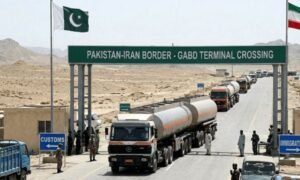
The closure of the Rahimdad-250 border post has stranded more than 4,500 tonnes of LPG on the Iranian side, according to market stakeholders. The Taftan crossing has been shut for nearly six months over security concerns, while the Mand route faces intermittent disruptions.
Pakistan consumes nearly 2 million tonnes of LPG annually, with about 70% imported. Of the 1.2 million tonnes brought in each year, roughly 1 million tonnes arrives through Iranian routes.
Stakeholders say the country’s LPG policy, unchanged for more than a decade, no longer reflects market conditions. Prices are benchmarked to Saudi Aramco’s Contract Price, but supplies largely come from Iran, Oman, the UAE and Iraq. Haider said no imports are currently arriving at Saudi CP-based prices, with war-related insurance and freight premiums pushing costs to around $300 per tonne above the benchmark.
The Ministry of Commerce withdrew electronic import form exemptions for Iranian imports and shipments to Central Asian republics via Iran in Oct. 16 memorandums, further disrupting supplies.
Haider said major state-owned enterprises including SSGC, SNGPL and Pak-Arab Refinery are avoiding imports at rates notified in advance by the Oil and Gas Regulatory Authority, fearing accountability investigations.
Border disruptions have shifted pressure to Gwadar, pushing freight costs from $60-80 per tonne to as high as $380, Haider said. He alleged that manipulated freight arrangements, questionable import declarations and the absence of digital tracking for tankers, transporters and distributors have facilitated profiteering and tax evasion.
Petroleum Minister Ali Pervaiz Malik and ministry spokesman Zafar Abbas did not respond to written queries, the association said.
Haider urged the government to review the LPG policy with stakeholders, revise the 35,000-rupee-per-tonne marketing margin fixed in 2016, digitally track imports and distribution, and publish daily prices on Ogra’s website. He also questioned whether a 4,690-rupee-per-tonne petroleum levy introduced in 2016 to cushion consumers was serving its intended purpose.