
KARACHI: The government plans to completely abolish the Super Tax, FBR Chairman Rashid Mahmood Langrial said. The rate has already been cut by 2 percentage points, and work has started to remove it step by step.
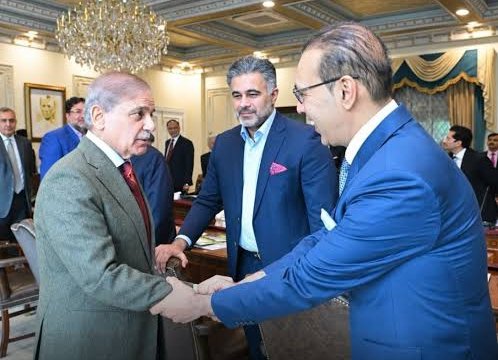
Langrial said this during a visit to the Korangi Association of Trade and Industry (KATI). He announced that an FBR office will be opened at KATI to help industrialists in the Korangi Industrial Area with tax problems. He also said the FBR will talk to stakeholders to fix problems in the raw material import system, and that the FBR help desk will be expanded from Karachi to Sukkur.
He said meetings will be held to solve border trade issues for the leather industry. He also talked about using a model like the Drug Regulatory Authority of Pakistan (DRAP) for the pharmaceutical industry to make the Track and Trace System work better.
Langrial said the FBR’s goal is to improve the tax system and make things easier for businesses. He asked industrialists to help the FBR find and stop tax evasion so the system can be more transparent and effective. During the meeting, he listened to problems raised by industrialists from different sectors and gave instructions on the spot to solve them. The business community and KATI appreciated this.
KATI President Sheikh Umer Rehan thanked Prime Minister Shehbaz Sharif for telling the FBR chairman to visit Karachi every month to improve the economy and help industrialists. He said if the federal cabinet and ministers also spent time on Karachi, like the FBR chairman does, it would help Pakistan’s economy grow.
Rehan said coordination between the FBR and KATI has improved a lot. He said the FBR’s progressive policies, faceless assessment system and digitalisation could bring more people into the tax net and increase revenue. He proposed a joint committee between the FBR and KATI to solve industrialists’ tax issues quickly.
The KATI president said long delays in tax refunds are a major problem for industrialists. He said billions of rupees owed to export industries and regular taxpayers stay stuck with the FBR for long periods. This money is the working capital of industrialists, and holding it back hurts their businesses. He urged the FBR to follow the set timelines for refunds, improve the automated system for paying genuine refunds, and not hold back valid claims by asking for unnecessary audits or documents. He also called for more automation of tax procedures so tax officials and business representatives interact less, reducing room for discretionary decisions and corruption.
KATI Deputy Patron-in-Chief Zubair Chhaya called for an FBR focal person at KATI so tax matters concerning industries are handled quickly. He said the business community also faces problems because SROs, notifications and tax laws change often. In some cases, SROs raise the cost of doing business and create more legal complications. He proposed a full review of unnecessary SROs and said industrial associations and stakeholders must be consulted before any new tax policy, duty or SRO is introduced.
KITE Limited Chairman Zahid Saeed, former KATI chairman Rashid Siddiqui, Mian Zahid Hussain and Zubair Tufail said the tax net should be broadened by bringing untaxed sectors into the formal tax system, instead of putting more burden on existing taxpayers.
The event was also attended by KITE Limited CEO Saleem-uz-Zaman, Senior Vice President Farukh Qandhari, Vice President Nasir Sheikh, former chairmen and presidents Muhammad Ikram Rajput, Junaid Naqi, Johar Qandhari, Ehteshamuddin and Syed Farukh Mazhar, FBR Member Inland Revenue Operations Zubair Bilal, Member Customs Operations Syed Shakeel Shah, Chief Collector Appraisement (South) Wajid Ali, Pakistan Vanaspati Manufacturers Association Chairman Chaudhry Naveed Ahmed, and many industrialists and KATI members.