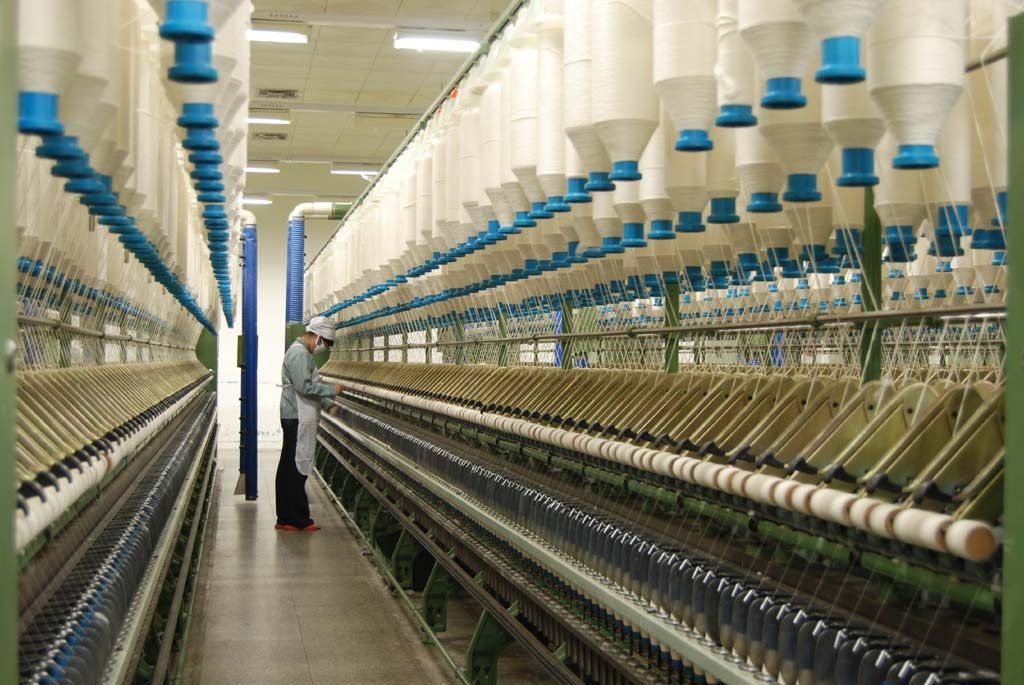
KARACHI: Pakistan’s textile processing industry is grappling with persistent gas and water shortages and rising electricity tariffs that are driving up production costs and eroding the country’s competitiveness in global markets, a senior industry official said.
Rizwan Lakhani, vice chairman and regional in-charge for the Karachi region of the All Pakistan Textile Processing Mills Association, said unreliable supplies of energy and essential industrial utilities are continuously increasing production costs, making Pakistani products more expensive than those of competing countries.
Rising global petroleum prices are also pushing up the cost of dyes and chemicals, further adding to the industry’s production expenses, Lakhani said. He said the mounting input costs are placing additional financial pressure on the sector and undermining the competitiveness of Pakistani textile products worldwide.
Lakhani said the textile processing industry plays a vital role in the country’s exports, employment generation and industrial development, but that industrialists are finding it increasingly difficult to sustain production and fulfill international buyers’ orders at competitive prices under current conditions.
He urged the government to ensure uninterrupted gas and water supplies to the textile processing industry on a priority basis and to formulate a practical policy to bring electricity tariffs down to levels competitive with regional counterparts. He proposed long-term, predictable energy tariffs for export-oriented industries, a review of additional surcharges and unnecessary financial burdens on industrial electricity bills, and support for industries adopting renewable energy, particularly solar power and other alternatives.
Lakhani also called for improving water availability through the establishment of water treatment and recycling plants in industrial areas, along with easy financing facilities and incentives for investment in modern technologies and wastewater treatment systems.
He said the government and the industrial sector must engage in effective consultation to develop a long-term industrial policy aimed at reducing production costs, improving product quality and enhancing export capacity. He stressed that the industry should receive appropriate duty and tax concessions on imports of modern machinery, timely payment of export-related refunds and special incentives for technological upgradation.
If the government addresses gas, water and electricity issues on a priority basis and provides policy stability and a business-friendly environment, Lakhani said, Pakistan will be better positioned to compete with China, Bangladesh, India and other rivals in the global textile market. That, he said, would significantly boost national exports, strengthen foreign exchange reserves, generate employment and contribute to the overall stability of the national economy.