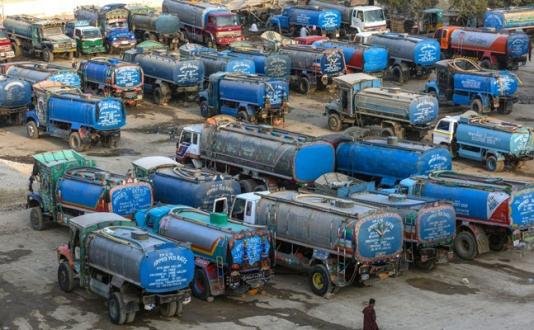
Their demands are presented under new titles each time — sometimes automation issues, sometimes unfair distribution, or violations of quotas — but the underlying objective remains the same: to secure concessions and maintain an outsized share in a logistics system that is rapidly becoming obsolete.
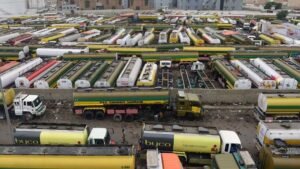
The latest list of complaints by the Oil Tankers Contractors Association includes errors in automation, illegal loading, and unfair distribution. However, a closer look reveals the real issue — transporters are resisting the gradual yet inevitable transition of oil delivery to the pipeline system. The association’s demand to restore a 55% quota for road-based oil transportation and its objections to greater pipeline usage are, in fact, a refusal to adapt to change and to accept a more efficient, safer, and environmentally responsible system.
It is worth repeating that pipelines are globally recognized as the most efficient and safest means of transporting fuel. This method is faster, cheaper, and far less prone to accidents, theft, and wastage. Most importantly, the use of pipelines significantly reduces carbon emissions, whereas thousands of oil tankers traveling across the country exacerbate environmental damage.
Pakistan, as a signatory to the Paris Agreement and under its Nationally Determined Contributions (NDCs), is committed to reducing the carbon intensity of its economic activities. This commitment cannot align with policies that cater to road-based transport lobbies at the expense of cleaner and more sustainable alternatives.