The Pakistan Textile Council (PTC) has urged the government to take immediate measures to address the fundamental challenges facing the textile sector, warning that prolonged inaction could further weaken Pakistan’s export performance.
In a letter sent to various government departments, PTC Chairman Fawad Anwar shared a report based on export data for the first quarter (July–September 2025) of fiscal year 2025–26.
The report provides an evidence-based analysis of Pakistan’s export performance and identifies trends that require urgent policy intervention.
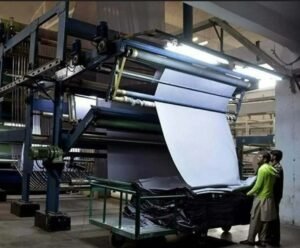
According to the report, the findings are both alarming and instructive. The textile sector, which accounts for approximately 63% of Pakistan’s total exports, remains under severe pressure. In September 2025, textile exports declined by 2% year-on-year to $1.58 billion. This negative trend was also reflected in the country’s current account, which recorded a deficit of $594 million during the first quarter of FY2026.
The deficit arose mainly due to higher imports, which outpaced the growth of exports and remittances, highlighting the urgent need for corrective policy action.
To arrest the decline in exports and restore Pakistan’s share in global markets, the Council proposed several key measures:
- Liquidity and tax relief through automated refunds and zero-rating of inputs under the Export Facilitation Scheme (EFS).
- Restoring cost competitiveness by aligning wage and labor policies with regional competitors.
- Structural support for the spinning and weaving sectors through reduced business costs and improved cotton quality.
- Enhanced access to financing by strengthening the EXIM Bank and expanding the limits of EFS and LTFF to promote innovation and green investments.
The Council emphasized that implementing these measures is critical for restoring export competitiveness, stabilizing external accounts, and achieving sustainable economic growth.
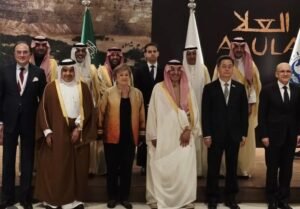
Recently, the Prime Minister chaired a meeting to discuss challenges faced by the business community, attended by relevant officials and industrial representatives. Following the meeting, several panels were formed to develop policy recommendations.
However, the report noted that no prominent representative from the All Pakistan Textile Mills Association (APTMA) was included in these panels.