The Ministry of Commerce has prepared the draft of the five-year Textile and Apparel Policy (2025–30), which will soon be presented before the Economic Coordination Committee (ECC). According to sources, before final approval, the ministry has decided to hold an inter-ministerial meeting to gather input from relevant departments so their concerns and suggestions can be incorporated into the policy.
The report states that the core target of the new policy is to increase textile and apparel exports to $29.381 billion by 2029–30. This goal aligns with the “Uraan Pakistan” and “Make in Pakistan” initiatives introduced under the National Export Development Board. The draft proposes yearly export targets:
- 2025–26: $19.370 billion
- 2026–27: $21.420 billion
- 2027–28: $23.740 billion
- 2028–29: $26.710 billion
- 2029–30: $29.381 billion
However, industry representatives argue that given the current economic situation, these targets may remain only on paper. They believe the government may not be able to fulfill the commitments made to the industry under the IMF program. One stakeholder claimed the policy, in its current form, risks becoming just another document, as industry recommendations have not been adequately prioritized.
According to the Ministry of Commerce, the strategic objectives of the policy include ensuring a conducive business environment, increasing exports of value-added products, promoting greater use of domestic raw materials, encouraging modern and environmentally friendly investments, reducing production costs, and enhancing workforce training. Several measures have been proposed to achieve these goals.
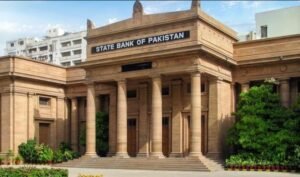
The draft states that the State Bank of Pakistan and EXIM Bank will redesign the Export Finance Scheme. It also recommends increasing loan limits and reducing markups for the value-added sector and small and medium-sized enterprises (SMEs). Additionally, EXIM Bank will introduce special financing programs for technical textiles, smart materials, machinery, dyes, chemicals, and green technologies.
Furthermore, to protect exporters from commercial and political risks, the expansion of the credit risk insurance scheme has been proposed, along with the revival of a renewable-energy financing scheme. To promote e-commerce exports, incentives have been suggested for those establishing overseas warehouses. The State Bank has also been advised to extend the export payment realization period from 120 days to 180 days and revise the MSME definition based on the dollar-rupee exchange rate.
In the energy sector, the Power Division has been directed to ensure regionally competitive electricity rates for direct and indirect exporters—excluding cross-subsidies and transmission losses. The policy also emphasizes uninterrupted power supply, grid modernization, promotion of renewable energy, and implementation of the CTBCM model.
Experts note that while the policy’s reforms appear comprehensive, its true test will lie in effective implementation—and that will ultimately determine Pakistan’s export performance in the coming years.