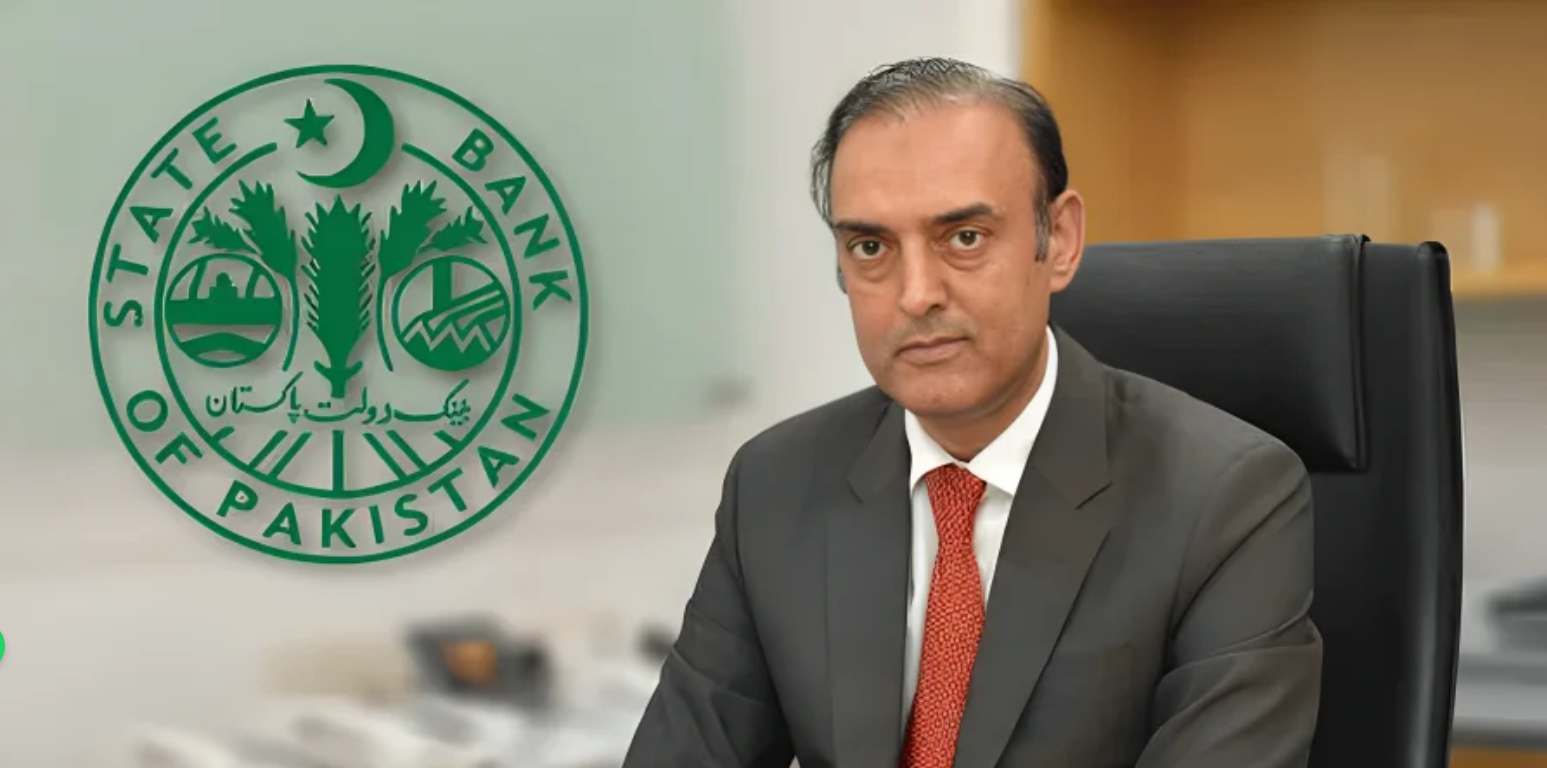
Addressing the opening session of the Pakistan Business Council’s Dialogue on the Economy yesterday, State Bank of Pakistan Governor Jameel Ahmad said that Pakistan must move beyond temporary economic stability measures and adopt a sustainable, resilient, and export-linked development model. He noted that the country has often been trapped in cycles of growth followed by painful stabilization, but the current phase presents a real opportunity for long-term transformation—provided policy continuity is maintained and the private sector adapts to changing conditions.
Jameel Ahmad said the present stabilization phase differs from past episodes because fiscal and monetary policies are now being implemented with better coordination and forward-looking planning. He explained that this time the authorities are avoiding premature easing, which in the past undermined economic stability. According to him, the State Bank’s forecasting capability has improved, and decisions are now based on eight-quarter projections rather than short-term data.
According to the Governor, inflation is not only in line with expectations but is anticipated to remain within the 5–7% target range in the coming period. He said that Pakistan’s external financial security has strengthened, with foreign exchange reserves rising through strategic purchases and a reduction in forward liabilities instead of relying on borrowing. Since 2022, external public debt has remained stable, while the debt-to-GDP ratio has declined from 31% to 26%. Meanwhile, foreign exchange reserves have increased from USD 2.9 billion to nearly USD 14.5 billion.
For durable development, he said, policymaking must shift from short-term, consumption-driven strategies toward public welfare and socio-economic prosperity. Long-term reforms initiated by the government and the State Bank reflect this shift. He added that achieving a primary surplus for the past three years has helped move debt toward a sustainable level. Efforts are also underway to improve the tax system, promote documentation, expand the tax net, and implement energy reforms to reduce production costs.
In conclusion, Jameel Ahmad said Pakistan must change its economic model to escape the boom-and-bust cycle, as 3–4% growth is insufficient for a population exceeding 250 million. He urged the private sector to move toward global competitiveness instead of relying on subsidies and protection—modernizing production processes and integrating into global value chains, particularly by capitalizing on opportunities in the U.S., Chinese, and Middle Eastern markets.