The Rs 23 billion financial dispute between the National Grid Company (NGC) and the Pak Matiari–Lahore Transmission Company (PMLTC) has been presented before the China–Pakistan Economic Corridor (CPEC) Review Committee, chaired by Minister for Planning, Development and Special Initiatives Ahsan Iqbal.
According to sources, the Chinese company PMLTC has reported that the National Transmission & Dispatch Company (NTDC) or the National Grid Company (NGC) is refusing to pay provincial sales tax liabilities, even though this tax has been legally applicable since July 2023 and is included as a pass–through cost under the Transmission Service Agreement.
Due to NGC’s non-payment, PMLTC now owes more than Rs 22.8 billion in taxes to the Punjab Revenue Authority and the Sindh Revenue Board. Under NEPRA decisions and provincial tax laws, NGC/CPPAG must pass these charges on to DISCOs, but payment has not been made. The Chinese company has warned that non-payment exposes them to penalties and default charges, creating cash-flow and compliance challenges.
Sources say PMLTC has also requested an amendment to Clause 12A of the Second Schedule of the Income Tax Ordinance 2001 so that it clearly reads: “The provisions of Section 150 shall not apply to profit paid under the transmission line project.”
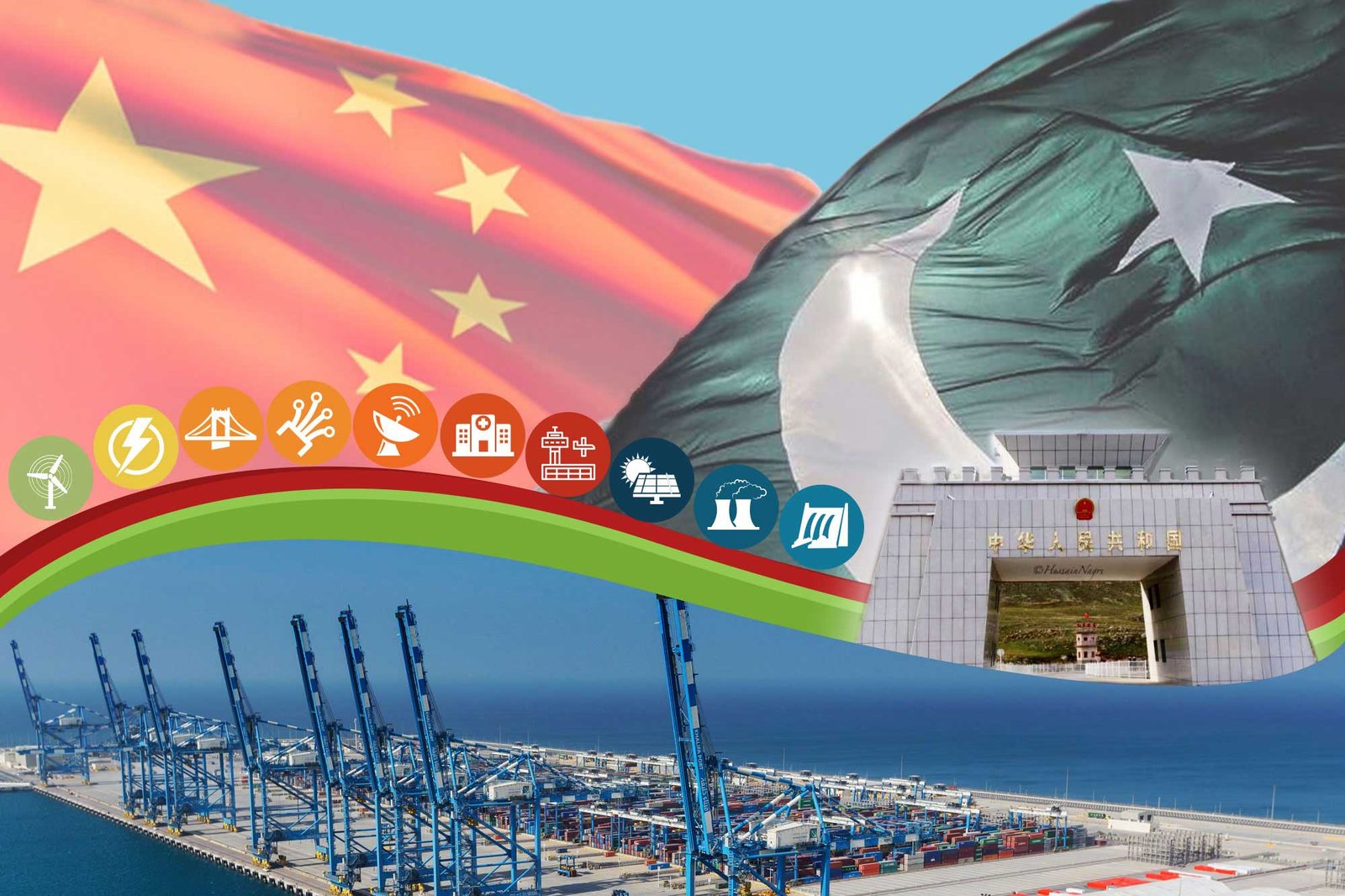
Meanwhile, the Saindak (Reko Diq) copper mine project has been included in the Joint Working Group on Industrial Cooperation under CPEC, and the Petroleum Division has provided an update on its progress. The Chinese Embassy has also sent a draft protocol for establishing a China–Pakistan Border Port Management Committee and sought Pakistan’s confirmation of the lead authorities.
The Minister for Planning held a follow-up meeting on 23 October 2025 regarding delays in providing utilities to M/s Challenge Fashion, stating that this is a priority investment project and requires urgent resolution. The Board of Investment has been instructed to present to the federal cabinet a general framework for providing basic facilities in Special Economic Zones (SEZs), including minimum export commitments, job creation, and technology transfer.
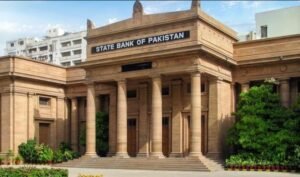
In the 83rd CPEC progress meeting, the State Bank of Pakistan was directed to issue a notification by September 23, 2025 for allowing 50 percent export retention in the Gwadar Free Zone. For long-term solutions, the CPEC Secretariat and the Ministry of Planning were asked to form a committee comprising representatives from the Ministry of Maritime Affairs, Ministry of Finance, Ministry of Industries & Production, FBR, State Bank, BOI, and GPA. The Ministry of Maritime Affairs chaired the committee, while its structure was proposed under either the Ministry of Finance or the Ministry of Planning.