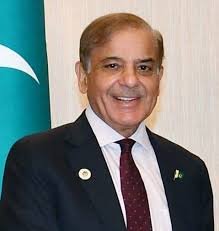
Prime Minister Shehbaz Sharif intensified his efforts yesterday to eliminate corruption and inefficiency in Pakistan’s customs system, directing authorities to ensure strict monitoring of customs duty collection on border trade, bilateral trade, and transit trade.
During a meeting chaired by the prime minister, proposals of the government’s sub–working group established for reforms in customs and the trade sector were reviewed.
Shehbaz Sharif acknowledged that longstanding issues within Pakistan’s customs framework have hindered industrial growth and weakened the country’s competitiveness in global markets. He said that the outdated system is harming the country, expressing concern that inefficiencies have created space for corruption. He warned that without modernization and strict enforcement, Pakistan will continue to lose billions annually, as customs officers have long faced allegations of collusion with smugglers and tax evaders.
He added that until effective reforms are introduced, industries will continue facing heavy tariffs and unpredictable bureaucratic barriers. The prime minister stressed that if Pakistan is to revive industrial output and increase exports, the customs system must undergo fundamental change. “We can no longer ignore the billions lost because of this faulty and outdated system that benefits a few while damaging the entire economy,” he said.
The prime minister’s remarks came after a disappointing report by the sub–working group, which highlighted the failures of the customs system that are reducing state revenues and placing additional burdens on local businesses. He said that if Pakistan wants to increase industrial output and remain competitive in global markets, ignoring these failures is no longer an option.
The prime minister also pointed out the ineffective use of the Export Development Fund and regretted that important areas such as research, training, and capacity development have not received proper attention. Addressing these weaknesses, he said, is essential for strengthening Pakistan’s industrial base. He emphasized the need for data-driven reforms, stating that recommendations related to customs and trade must be based on strong evidence rather than estimates or outdated methods.
He added that the government must take decisive measures to reduce production costs and create a more favorable environment for local industries and foreign investors.
The sub–working group’s report presented at the meeting stated that sustainable economic growth—particularly through an export-led strategy—not only requires customs and taxation reforms but also comprehensive improvements in infrastructure and increased public investment.
The prime minister strongly supported the newly approved National Tariff Policy, calling it a revolutionary step designed to increase domestic industrial production and strengthen global competitiveness.
The meeting was attended by Finance Minister Muhammad Aurangzeb, Information Minister Attaullah Tarar, Energy Minister Owais Leghari, Minister for Economic Affairs Ahsan Cheema, and representatives of the business and industrial sectors.