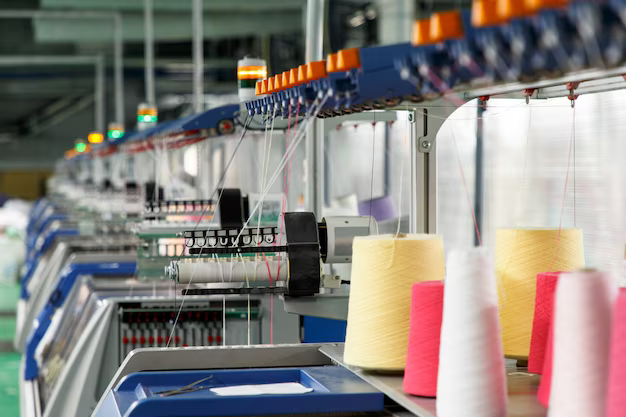
According to sources, the Pakistan Textile Council (PTC), the representative body of the country’s leading textile and apparel exporters, has warned that structurally high costs related to energy, finance, taxation, logistics, and raw materials have rendered Pakistan’s textile and apparel sector uncompetitive compared to regional peers. This has severely impacted export growth, employment generation, and foreign exchange earnings.
The PTC stated that while competing countries are adopting supportive policies for export-led growth, Pakistan is imposing significantly higher cost burdens on its export industries. Electricity tariffs in Pakistan are around 13.2 cents per kilowatt-hour, compared to 10.2 cents in Bangladesh, 7.0 cents in Vietnam, 5.3 cents in China, and an industrial average of 9.5 cents in India. In addition, unreliable power supply further complicates operations for exporters.
The council noted that regional countries provide stable energy pricing for exports, whereas Pakistani exporters bear the burden of weaknesses in the energy sector, such as high transmission and distribution losses, unaccounted-for gas, low recoveries, and cross-subsidies. These issues lead to persistent circular debt, with costs ultimately passed on to productive sectors.
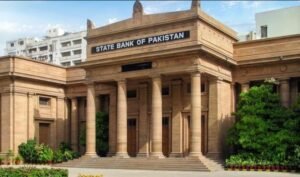
Expensive financing is another major concern. Pakistan’s policy interest rate stands at 11 percent, compared to 10 percent in Bangladesh, 4.5 percent in Vietnam, and 3 percent in China. The PTC added that the discontinuation of long-term financing facilities by the State Bank of Pakistan and delays in export financing mechanisms have restricted investment in technology upgrades and capacity expansion, particularly for small and medium-sized enterprises. Moreover, the requirement to realize export proceeds within 120 days weakens Pakistani exporters’ position against foreign buyers.
The PTC also expressed concern over the high and multi-layered tax burden, which includes a 29 percent corporate tax, a super tax ranging from 1 to 10 percent, 18 percent sales tax, minimum turnover tax, and advance income tax on exports. Delays in tax refunds further strain cash flows. Additionally, declining domestic cotton production has increased reliance on imports, exposing the industry to greater volatility in global prices.
Logistics inefficiencies have further undermined competitiveness. Most cargo in Pakistan is transported by road, whereas in India around 31 percent of freight is moved by rail, leading to higher costs and delays in Pakistan.
The Pakistan Textile Council urged the government to urgently restore export competitiveness by reducing energy tariffs, lowering interest rates, reforming the tax system, adopting an appropriate exchange rate policy, reviving domestic cotton production, modernizing logistics, and investing in productivity and skills. These measures, the council emphasized, are essential to stabilize the economy, generate employment, and boost foreign exchange earnings.