Prime Minister Shehbaz Sharif has initiated reforms aimed at improving Pakistan’s economic governance.
According to sources, he announced that after two years of difficult but necessary decisions, the country has emerged from a crisis. The Prime Minister emphasized the importance of these reforms, stating that they have restored stability in the country, brought inflation down to a record low of 4.5%, and increased the country’s foreign exchange reserves to 21 billion dollars.
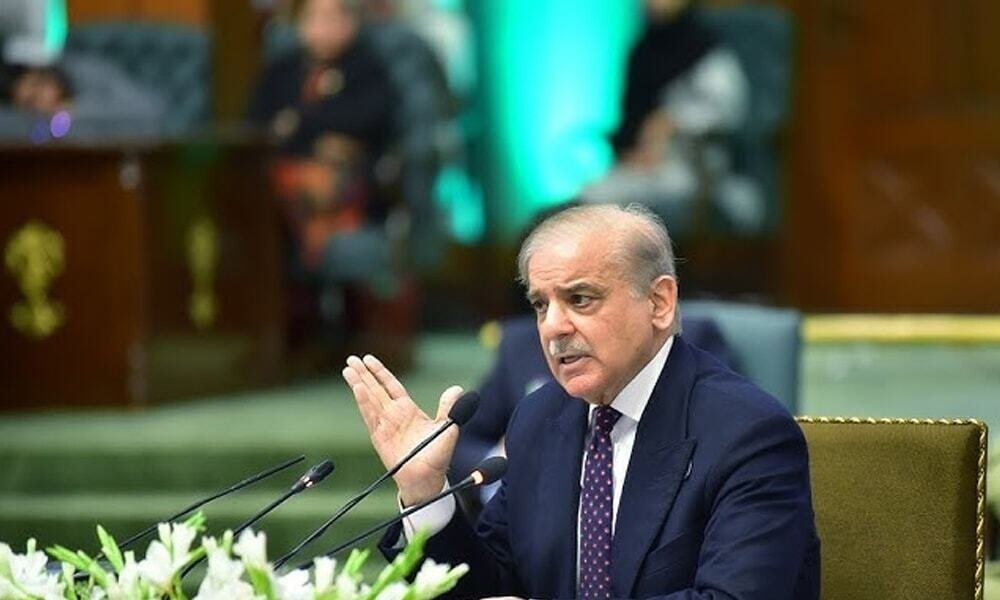
Addressing the inaugural ceremony of the economic governance reforms via video link, Shehbaz Sharif highlighted the deteriorated state of the economy when the government took office in early 2024. He recalled that at that time, the country faced nearly 30% inflation, critically low foreign reserves, weak institutions, and isolation from the global economic system. He stressed that there was no room for shortcuts or populism during this severe crisis.
Discussing the difficult decisions made over the past two years, the Prime Minister explained that restoring the economy required tough measures. Unsustainable subsidies were removed, fiscal discipline was restored, public financial management was strengthened, and long-delayed privatization reforms were initiated. These were not symbolic gestures but essential structural reforms.
Highlighting the progress achieved, Shehbaz Sharif said inflation has fallen from 29.2% to 4.5%, foreign exchange reserves have risen from 9.2 billion dollars to over 21 billion dollars, the current account deficit has improved from a 3.3 billion dollar deficit to a 1.9 billion dollar surplus, and primary deficits have turned into primary surpluses, reducing the overall fiscal deficit.
The Prime Minister also emphasized revenue reforms, noting that Pakistan has addressed long-standing financial disorder. The tax-to-GDP ratio has increased from around 8% to over 10%, more than one million new taxpayers have been brought into the formal economy, and tax collection grew by 26% in 2025, aided by the widespread digitization of government systems.
He also highlighted the privatization of state-owned enterprises, including Pakistan International Airlines and First Women Bank, describing these measures as a new direction after decades of inaction. Further reforms in state-owned institutions are underway. The Prime Minister noted that international credit rating agencies and development partners have recognized Pakistan’s stability and reform efforts.
With macroeconomic indicators now stable, Pakistan’s focus has shifted to accelerating growth, boosting exports, and making the country more business-friendly. He said, “Our reform agenda is a key shift from crisis management to institution-building.”
Shehbaz Sharif emphasized the long-term nature of these reforms, stating that the economic governance reforms comprise a total of 142 measures, including 59 priority reforms and 83 supporting measures, to be implemented by 58 institutions within the set timeframe. Key sectors include the tax system, energy, privatization, state-owned enterprises, pensions, tariff rationalization, regulatory simplicity, federal government size, and digital governance.
The Prime Minister stressed that these reforms are wholly domestic, irreversible, and aimed at institutional stability and sustainable, private-sector-led growth. He emphasized that Pakistan’s people have paid a heavy price and that the government will not return to old policies or look back.
Earlier, Federal Minister for Finance and Revenue Muhammad Aurangzeb reviewed economic reforms and performance indicators. He stated that GDP growth reached 3.1% in FY25 and rose to 3.71% in the first quarter of FY26. Despite climate shocks, inflation remained under control at approximately 5% in the first five months of FY26. Aurangzeb also highlighted improvements in fiscal discipline, including a continuous primary surplus, with a 2.7% of GDP surplus. The tax-to-GDP ratio reached 10.2% in FY25, the highest in the last 25 years.
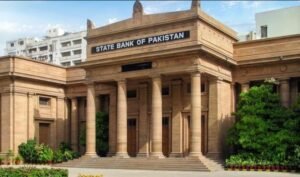
On the external front, he noted that SBP reserves reached 15.9 billion dollars, the highest in four years, covering 2.6 months of imports. The current account deficit in the first five months of FY26 stood at 812 million dollars, within the target. Remittances reached 38 billion dollars in FY25, while income through the Roshan Digital Account increased to 11.5 billion dollars.