KARACHI: Textile exporters say Pakistan’s goods exports will fall sharply in the October-December quarter of this fiscal year. They blame weaker demand in Western markets, higher freight charges and rising production costs.
The Pakistan Textile Exporters Association issued a statement on Sunday. Its patron-in-chief, Khurram Mukhtar, said the export sector is under heavy pressure from many sides. This is hurting its ability to compete and its share of international markets.
Mukhtar said inflation in Western markets has made international buyers buy less. At the same time, sea freight charges have gone up by 1.5 to 2.5 times. This is squeezing exporters’ already small profit margins. He added that higher input and logistics costs are making Pakistani products less competitive.
“The decline in export trade volume is unprecedented,” Mukhtar said. He warned that only exporters with strong finances will survive the current conditions. He also said it will be very hard to win back lost market share.
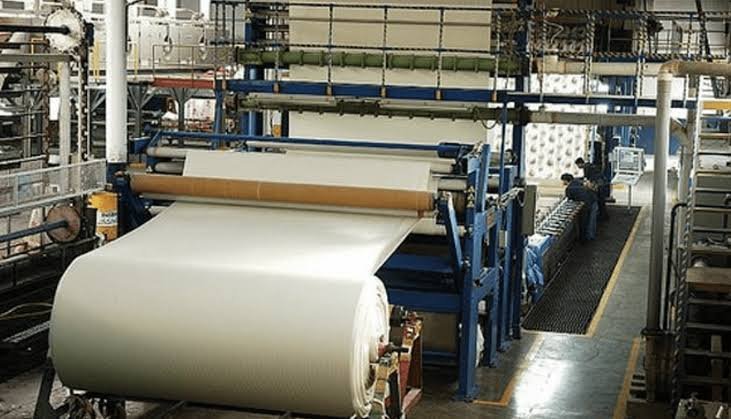
He said falling exports are hurting the whole textile chain — ginning, spinning, weaving, processing and knitting. High inflation has also weakened demand inside the country, putting many parts of the industry under severe financial pressure.
Mukhtar asked the government to give temporary support through the Duty Drawback of Local Taxes and Levies scheme at a rate of 6% to 8%. This, he said, would help exporters keep their share of international markets. He also demanded quick payment of outstanding refunds to ease the cash shortage across the textile supply chain. He called for removing cross-subsidies in industrial energy tariffs to bring down production costs.
Mukhtar pointed out problems with the Export Finance Scheme. He said the government announced a fixed financing rate of 4.5% in the FY27 Finance Bill, but it has not been implemented yet. Banks are charging exporters at least 5.5%, and some are charging as much as 8.5%, he said.
Mukhtar claimed that about Rs200 billion in financing has gone to yarn exporters under the EFS, even though yarn is on the scheme’s negative list. He also questioned why sugar exporters are getting financing, calling sugar a highly regulated sector.
He said eligible textile exporters who do far better than the State Bank of Pakistan’s required export target are being denied financing. Some exporters are doing five to six times the required performance, against a mandatory target of two times, but still cannot get financing, he said. He argued that this discourages value addition and punishes exporters who bring in a lot of foreign exchange.
Mukhtar welcomed more EFS financing for small and medium enterprises but asked whether the extra money can actually be used. He said an additional Rs300 billion for SMEs would need Rs600 billion in export performance, which does not exist right now. He noted that last year’s Rs100 billion for SMEs lapsed without being used. He urged the government to review how EFS financing is shared, based on what each segment exports. He said the top 100 exporters make up to 60% of total exports and should get a fair share of financing.
To strengthen the textile supply chain, Mukhtar proposed a Rs140 billion financing package to modernize four major segments. The plan includes Rs20 billion each for ginning and sizing, and Rs50 billion each for weaving and processing. He said these sectors need special short- and long-term financing to upgrade and replace machinery, boost productivity and adopt automation and sustainable production.
Mukhtar said the federal government and the State Bank should work together with industry representatives to develop the financing program.
He also called for a 10-year strategic plan for textile exports. It should focus on Pakistan’s existing industrial skills, exportable surplus and reforms needed to compete better internationally.
“Historically, we have been reactive. The current situation demands a proactive approach,” he said. He warned that acting now would cost much less than trying to recover lost export markets later.