ISLAMABAD: Pakistan’s Ministry of Finance has constituted a committee with government and industry representatives to review the levy policy and calculation formula and recommend possible refinements, officials said.
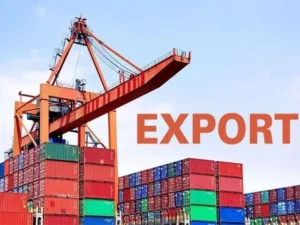
The development came during a follow-up high-level consultative meeting with leading exporters and senior government officials at the Ministry of Commerce to understand issues hampering Pakistan’s exports and identify practical solutions, according to a statement.
The meeting was chaired by Federal Minister for Commerce Jam Kamal Khan and attended by Minister of State for Finance and Revenue Bilal Azhar Kayani, senior Commerce Ministry officials and representatives of concerned government ministries and departments. Leading exporters participated both in person and virtually.
The consultation followed an earlier high-level meeting convened to identify challenges affecting Pakistan’s export competitiveness, including energy costs, taxation, financing constraints, regulatory procedures and international market access.
Participants were informed that the Finance Ministry had constituted the committee to review the levy policy and calculation formula and recommend refinements. The meeting extensively reviewed industrial energy costs, particularly the gas levy and its impact on export competitiveness.
The Punjab infrastructure cess was also discussed, with exporters highlighting concerns regarding its application, collection mechanism and additional costs. The meeting emphasized the need for clarity on the legal framework, exemptions and coordination with relevant provincial authorities.
On taxation, participants discussed proposals to rationalize existing export-related eligibility thresholds and explore proportionate super tax relief linked to export-derived income. The meeting also reviewed concerns regarding additional sales tax and refund arrangements for non-traditional exporters. Relevant proposals would be examined in consultation with the Finance Ministry and the Federal Board of Revenue.
The Export Facilitation Scheme was reviewed, particularly procedural requirements, eligibility criteria and possible improvements. Participants also proposed enhancing incentives under the export growth scheme to encourage businesses to increase international sales.
Exporters raised concerns regarding certification charges and repeated documentation amendment fees imposed by the Department of Plant Protection. The meeting emphasized that regulatory charges should be rationalized to ensure institutional sustainability without placing unnecessary financial burdens on exporters.
Business visa restrictions, foreign travel advisories and associated insurance costs were also discussed. Participants were informed that relevant authorities were pursuing these matters through diplomatic channels, while options for facilitating faster visa processing for verified exporters and business representatives were being explored.
Kamal emphasized that the government was pursuing greater access to international markets through sustained diplomatic and trade engagements. He said Pakistan was actively revisiting existing trade arrangements and seeking improved preferential access with major trading partners, including China, South Korea, Türkiye, Japan and Vietnam.
Regarding China, the minister said Pakistan had been advocating greater tariff concessions in line with preferential treatment extended to other countries. He said discussions on preferential trade arrangements with South Korea were progressing, while engagement with other trading partners continued through diplomatic missions, trade offices and bilateral consultations.
Addressing concerns regarding market access for Pakistani tire exports to Türkiye, officials explained that certain tire categories already benefited from concessions under the bilateral Preferential Trade Agreement. Exporters were encouraged to submit specific product details and HS codes to enable the ministry to pursue outstanding issues with Turkish counterparts.
The meeting also reviewed opportunities for expanding livestock and dairy exports. The minister emphasized the importance of coordinating new proposals with ongoing government initiatives and recent consultations involving relevant ministries and private-sector stakeholders. Officials were asked to prepare consolidated recommendations reflecting existing policy direction and additional opportunities for sectoral development.
Regarding Pakistan’s GSP Plus status, participants discussed the importance of continued compliance with international commitments and sustained engagement with European partners to safeguard preferential market access.
The minister stressed that consultations must lead to practical outcomes through effective coordination among federal ministries, provincial governments, regulatory authorities and leading exporters. He emphasized that even relatively small regulatory costs and procedural difficulties could collectively affect exporters’ competitiveness.
Leading exporters were requested to submit concise written recommendations identifying specific issues, proposed solutions and required government interventions. Relevant ministries and departments were asked to provide updated positions and timelines for resolving outstanding matters.
The meeting concluded with an understanding that the Commerce Ministry would consolidate the recommendations into a comprehensive presentation for consideration by the Prime Minister during an anticipated high-level meeting.
Kamal reaffirmed the government’s commitment to maintaining continuous engagement with leading exporters, reducing the cost of doing business, expanding international market access and strengthening Pakistan’s export-oriented economy.