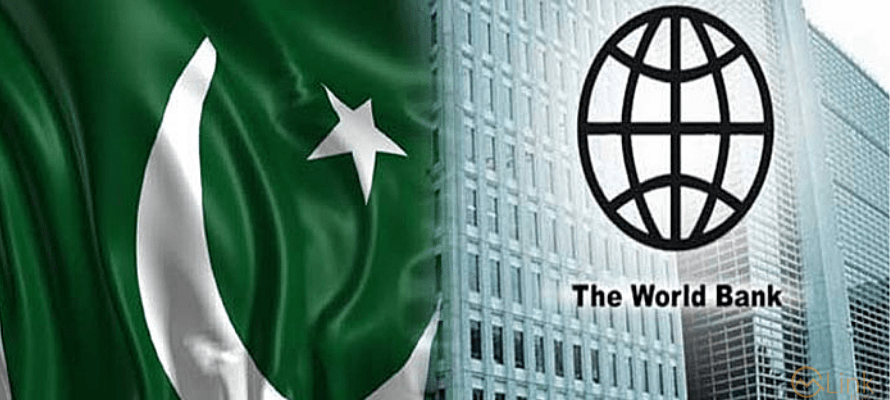
ISLAMABAD: Pakistan’s economy is projected to grow 3.8% in the fiscal year ending June 2027, up from the previous year, the World Bank said, though the Middle East conflict is expected to weigh on growth as energy and commodity prices return to pre-conflict levels only in the second half of that year.
In its report, the World Bank said headline inflation is projected to rise to 8.2% in FY27 from 7.1% in FY26, driven by elevated global commodity prices and domestic food price pressures.
El Niño weather conditions and higher fertilizer prices during the Rabi season are expected to weigh on crop production. Livestock is projected to remain the main driver of agricultural growth, while crop output is expected to recover gradually, the bank said.
Industrial activity is expected to strengthen marginally, led by manufacturing and construction, with construction benefiting from lower property taxes introduced in the FY27 budget.
Services sector growth is projected to remain broadly unchanged from FY26, as elevated inflation and a slow agricultural recovery constrain wholesale and retail trade.
The World Bank said Pakistan’s economic growth is expected to strengthen gradually, reaching around 4.5% by FY31 as commodity prices normalize, inflation eases and agricultural input costs decline.
Inflation is projected to fall to 7% in FY28, rise to 7.5% in FY29 ahead of the general election, and stabilize at around 7% in FY30.
Pakistan’s current account deficit is expected to widen in FY27 as recovering domestic demand drives imports to grow faster than exports. Strong workers’ remittances are expected to finance most of the trade deficit and help keep the current account deficit below 1% of GDP.
Official financing and renewed access to international bond markets are expected to keep Pakistan’s financial account in surplus. The baseline assumes no major new structural reforms and more limited fiscal loosening ahead of the 2029 general election, according to the report.