
Global oil prices recorded a modest increase on Tuesday, supported by early signs of easing trade tensions between the United States and China, which boosted investor confidence and slightly eased concerns about global fuel demand.
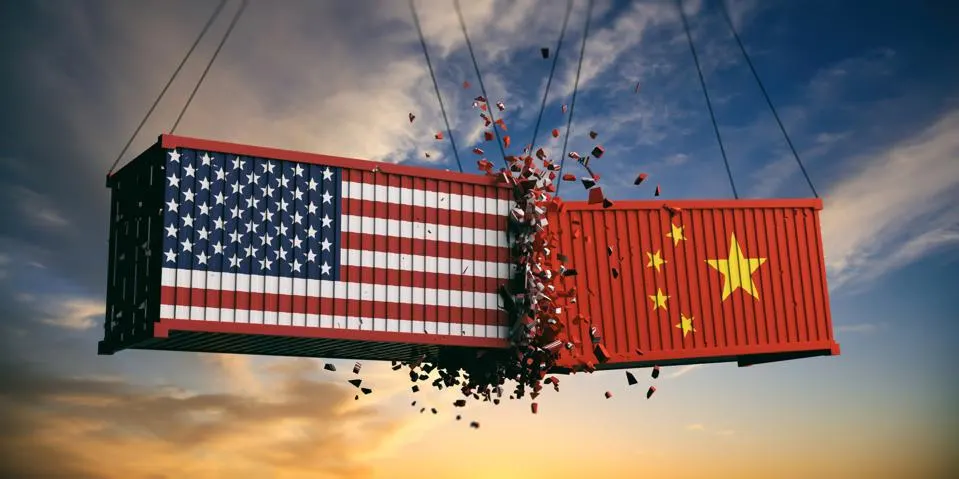
U.S. Treasury Secretary Scott Bassett said on Monday that President Donald Trump is determined to meet Chinese President Xi Jinping in South Korea later this month to reduce tensions related to tariffs and export restrictions. According to him, high-level contacts took place between the two sides over the weekend, and further meetings are expected.
The price of Brent crude rose by 18 cents (0.28%) to $63.50 per barrel, while U.S. West Texas Intermediate (WTI) increased by 16 cents (0.27%) to $59.65 per barrel. In the previous session, Brent had closed up 0.9%, and WTI had gained 1%.
Improved trade relations between the world’s two largest economies are seen as a positive signal for oil markets, as investors expect it to support global economic growth and fuel demand. However, recent developments — including Beijing’s new export restrictions on rare earth minerals and Trump’s threat to impose 100% tariffs and software export bans starting November — have continued to weigh on investor sentiment.
Meanwhile, OPEC and its allies, including Russia, stated in their monthly report that the oil supply deficit will narrow in 2026 as the OPEC+ group gradually increases production according to plan.
According to analyst Daniel Hynes, the oil industry remains confronted with geopolitical challenges, including China’s decision to impose new tariffs on U.S. naval vessels, which has led to higher shipping rates.