KARACHI: Pakistan’s commerce minister invited European and Chinese companies to establish joint ventures in the country’s agriculture, dairy, livestock, fisheries and food processing sectors, and urged Malaysian importers to build long-term sourcing partnerships with Pakistani producers.
In three separate meetings on the sidelines of the fourth FoodAg Pakistan exhibition, Federal Minister for Commerce Jam Kamal Khan highlighted how investment in farm technology, processing and packaging could expand production and increase exports of value-added food products, according to a statement issued Wednesday.
Meeting business delegates from Germany, France, Italy, Belgium and the Netherlands, Jam Kamal pointed to opportunities in farm machinery, seed technology, agricultural services, and dairy and meat processing. He said Pakistan’s domestic market of roughly 250 million people offers scope for investment and growth.
During the meeting with European delegations, he reaffirmed Pakistan’s commitment to continued engagement with the European Union on GSP+, the EU’s preferential trade arrangement for developing countries.
He said Pakistan already exports about $400 million worth of meat annually and that investment in livestock production, animal health and processing could help meet demand in the Gulf, East Asia and Central Asia.
The minister gave a comprehensive overview of the government’s reform agenda, including phased tariff reductions, single-window operations through regulatory easing, a renewed focus on small and medium-sized enterprises, and export credit insurance through EXIM Bank.
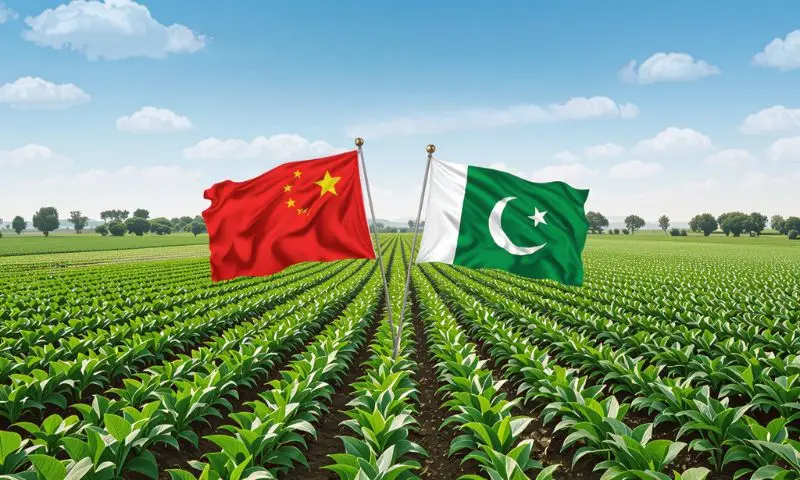
In a meeting with delegates from China, Hong Kong and Macau, Jam Kamal encouraged companies to work with Pakistani businesses and farmers to raise yields, expand local processing and build an exportable surplus. Citing Pakistan-China cooperation on rice seed, he identified mechanized rice planting as a practical next step.
Addressing the Malaysian delegation, the minister encouraged importers to work directly with Pakistani producers to develop reliable supplies of rice and other food products. He said competitive pricing and consistent quality were essential to sustaining buyer relationships, and that closer partnerships could help Pakistani producers invest in processing and expand output in line with demand.