Electricity generation data for September 2025 paints a familiar picture — one where stagnation and structural transformation collide. Total generation stood at 12.6 billion units, about 5% below the reference level. This marks the 12th time in 14 months that actual generation has fallen short of the target.
On the surface, generation rose by just 1% year-on-year, but that’s off a low base, as last year’s output had dropped to multi-year lows.
The broader picture is less encouraging: in the first quarter of FY 2026, total generation reached 40.9 billion units — still lower than in the first quarter of FY 2020. In other words, despite five years of economic, demographic, and technological change, electricity generation has remained stagnant.
In a developing economy, such prolonged stagnation in power demand is rare — and Pakistan is no exception. There was indeed a period when underlying demand weakened: the country was facing a near-default financial crisis, industrial activity slowed, and tariffs surged. But those temporary factors have since eased significantly. Yet, grid-connected demand has not bounced back to previous levels.
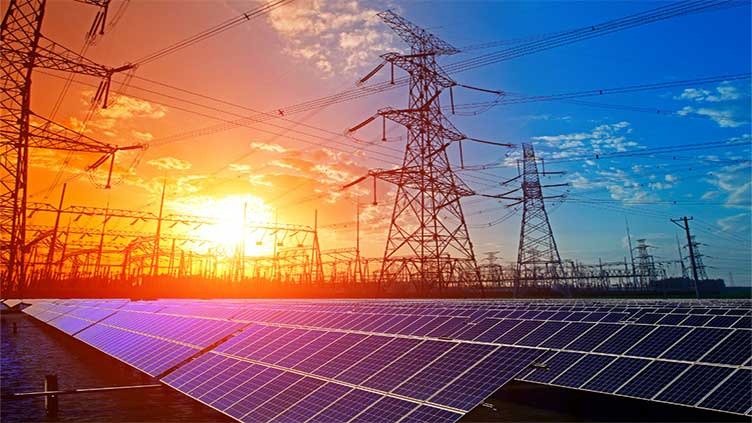
The real story lies elsewhere — in the quiet solar boom that has reshaped Pakistan’s power landscape from the bottom up. Unlike most transitions driven by policy interventions or large-scale reforms, this shift has been led by households, farmers, and small businesses — not by the state.
Over the past three years, Pakistan’s solar imports have surged dramatically. In 2024 alone, solar panel imports exceeded $2 billion — a fourfold increase in just three years. Battery imports have followed the same trajectory, surpassing the previous year’s total within just the first six months of 2025.