Pakistan’s cotton market has shown signs of stability in recent days; however, trading activity has remained limited. Despite monthly improvements in textile export figures, annual exports continue to show a decline.
According to reports, the All Pakistan Cotton Power Looms Association has urged the government to immediately withdraw the sales tax imposed on the purchase of local yarn.
Industry sources reveal that the continuous increase in electricity and gas tariffs has forced major textile mills to halt production, while small and medium-sized units are under severe financial pressure. Rising energy costs have pushed the textile sector to the brink of crisis.
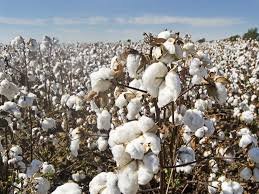
Concerns also persist regarding cotton production. Due to lower yields and declining quality, overall production for the current season is expected to remain low, which could further aggravate challenges for the textile industry.
According to the Pakistan Cotton Ginners Association (PCGA), cotton production stood at 4.437 million bales as of October 31 — a 3% decline compared to last year. The total production estimate is 5.5 million bales, raising the likelihood of increased imports and higher foreign exchange expenditure.
Cotton prices in Sindh and Punjab range between Rs 14,500 to Rs 15,500 per maund, while phutti is selling for Rs 6,500 to Rs 8,200 per 40 kg.
In Balochistan, cotton prices stand between Rs 15,300 and Rs 16,000 per maund, while the Karachi Cotton Association (KCA) has maintained the spot rate at Rs 15,000 per maund.