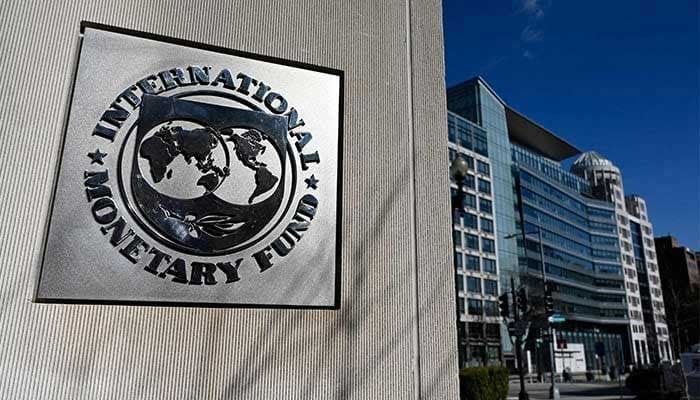
The Ministry of Finance clarified yesterday that the structural benchmarks recently highlighted under Pakistan’s IMF Extended Fund Facility (EFF) program are not new conditions, but rather a continuation of the phased and medium-term reform agenda already agreed with the IMF.
According to sources, this clarification came after comments suggesting that the 11 structural benchmarks were being introduced as new conditions. Finance Division sources said these measures are based on reforms already initiated by the government and are being implemented gradually, step by step, to achieve the policy objectives of the program.
Finance Ministry sources said that the Memorandum of Economic and Financial Policies (MEFP), finalized after the second review of the Extended Fund Facility, is a continuation of the existing memorandum and ensures continuity and deeper implementation of the reform process.
According to the statement, these structural benchmarks cover multiple sectors, including fiscal management, governance, financial markets, state-owned enterprises, energy, trade, and corporate regulation. Key reforms include increasing transparency in asset declarations of government employees following amendments to the Civil Servants Act, strengthening the operational effectiveness of the National Accountability Bureau (NAB), and improving coordination with provincial anti-corruption bodies. In addition, under the anti-money laundering and counter-terrorist financing framework, provincial institutions are being given access to financial information.
On the other hand, the government is also working to remove barriers in cross-border payments to boost remittances. As a result, remittances increased by 26 percent in fiscal year 2025, with further improvement expected in fiscal year 2026. Under financial market reforms, a study of the local currency bond market is underway to broaden the investment base.
Sources said progress is also being made on a comprehensive reform roadmap for the Federal Board of Revenue (FBR), which includes operationalizing the Tax Policy Office, improving compliance risk management, and developing a 3- to 5-year medium-term tax reform strategy. In the energy and state-owned enterprise sectors, reforms include the privatization of selected DISCOs, finalizing terms for private sector participation in HESCO and SEPCO, and signing public service obligation agreements.
It is noteworthy that according to the IMF’s second review report, 8 out of 13 previous benchmarks have been met, while some targets were delayed due to the reform process and recent floods. Authorities have requested new timelines for these benchmarks and stated that overall progress is moving in the right direction. The Ministry of Finance said the phased approach ensures that reforms are sustainable and aligned with Pakistan’s medium-term economic priorities.