Pakistan is anticipating a saving of up to PKR 500 billion in the fiscal year 2025-26 due to lower debt servicing costs and stable interest rates. This was stated by Mohsin Mushtaq, Director General (Debt) at the Ministry of Finance, while addressing the Sustainable Development Conference organized by the Sustainable Development Policy Institute (SDPI).
He cautioned that public speculation regarding external debt can be detrimental, emphasizing the need for a responsible approach to sensitive financial information to avoid creating market uncertainty. He mentioned that Pakistan has adopted a transparent and modern debt reporting framework in line with International Monetary Fund (IMF) recommendations, under which semi-annual debt reports are issued, and the auction calendar is strictly followed to ensure market predictability.
Mohsin Mushtaq informed that the government has developed a Medium-Term Debt Strategy for FY 2025–2028, and a Debt Coordination Committee has been established to improve coordination, reporting, and monitoring among various institutions. He noted that technical differences exist regarding the definition of public debt, but the final decision rests with the Parliament.
Parliamentary Concern Over Debt Burden
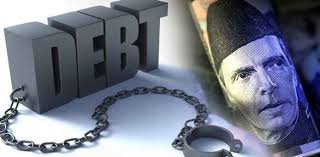
On the other hand, Syed Naveed Qamar, Chairman of the National Assembly Standing Committee on Finance and Revenue, stated that Pakistan’s debt burden has become unbearable, and the country can no longer take on indiscriminate borrowing. He asserted that the imprudent use of loans has brought the economy to a critical juncture, and it is time for Parliament to gain direct control over the borrowing process.
Naveed Qamar highlighted that debt servicing is consuming a major portion of the budget, eroding fiscal space. He proposed that debt terms be re-negotiated and reckless borrowing be stopped. According to him, the government must find ways to create fiscal space while upholding the reforms under the IMF program.
He criticized that governments have always avoided imposing restrictions on borrowing, which has resulted in the current crisis. He stressed that Parliament must now play an active role in the approval and monitoring of debts. He suggested that external loans should first be approved by the Parliament, followed by establishing a system for scrutinizing domestic borrowing.
Call for Independent Debt Reporting and Real Debt Figure
Muzammil Aslam, Advisor to the Khyber Pakhtunkhwa Finance Ministry, proposed the establishment of an autonomous Debt Reporting Authority in Pakistan, similar to the Pakistan Bureau of Statistics (PBS), to maintain a transparent account of all debts. According to him, Pakistan’s true debt is much higher than official estimates because numerous financial liabilities are not included in the debt account.
He pointed out that only Khyber Pakhtunkhwa is owed PKR 65 billion under the National Finance Commission (NFC) formula for the period July to October 2025, while total provincial liabilities have reached PKR 300 billion. He noted that circular debt in power and gas, pension liabilities, and financial obligations linked to Roshan Digital Accounts are also not included in official public debt statistics, amounting to approximately PKR 12.3 trillion.
Muzammil Aslam claimed that if these liabilities are included, Pakistan’s actual debt stands at PKR 90 trillion, not PKR 78 trillion. He warned that poor debt recording and non-transparent reporting are increasing financial risks. According to him, a review of the Debt Management and FRDL Act is imperative for Pakistan to move towards fiscal sustainability and transparency.