ISLAMABAD: The International Monetary Fund wants Pakistan to let the value of its rupee fall and to change several government policies, as talks on a loan program continue in Islamabad, according to sources in the Finance Ministry.
IMF officials were to be briefed on Pakistan’s monetary policy on Tuesday. Talks also began that day on a draft document that lays out Pakistan’s economic plans, with both sides hoping to reach an agreement. The IMF team was set to meet again with Finance Ministry officials, as well as officials from the ministries of Petroleum and Privatization.
With the Petroleum Ministry, the team is expected to discuss how gas prices are set. With the Privatization Ministry, talks are expected to focus on selling state-run electricity distribution companies and on power lost during delivery.
The IMF team has already finished its talks with the Federal Board of Revenue, the sources said.
The IMF is still asking that a sugar policy be put in place in all four provinces. Sindh province has refused.
“The sugar policy is a provincial matter, which we will handle ourselves,” the sources quoted Sindh officials as saying.
The IMF has agreed that the prime minister’s fuel subsidy can continue for people who already receive it. But it wants no new people added to the program, the sources said.
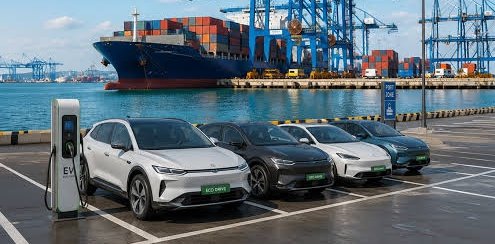
The IMF also wants Pakistan to end a tax break in its auto policy, including the lower sales tax on electric vehicles. The fund says electric vehicles are a luxury, not something poor people need, so they should not get a tax discount, the sources said.
Officials are rewriting the auto policy based on those objections. The new draft will soon go to Prime Minister Shehbaz Sharif, who will be told about the IMF’s concerns.
The government may drop the lower tax rate and charge the regular rate. That would raise the sales tax on electric vehicles from 1% to 18%. The tax on electric vehicle charging stations could also go up from 1% to 18%.
For example, the sales tax on an electric vehicle that costs 10 million rupees would rise from 100,000 rupees to 1.8 million rupees.
Talks on the loan program are continuing.