
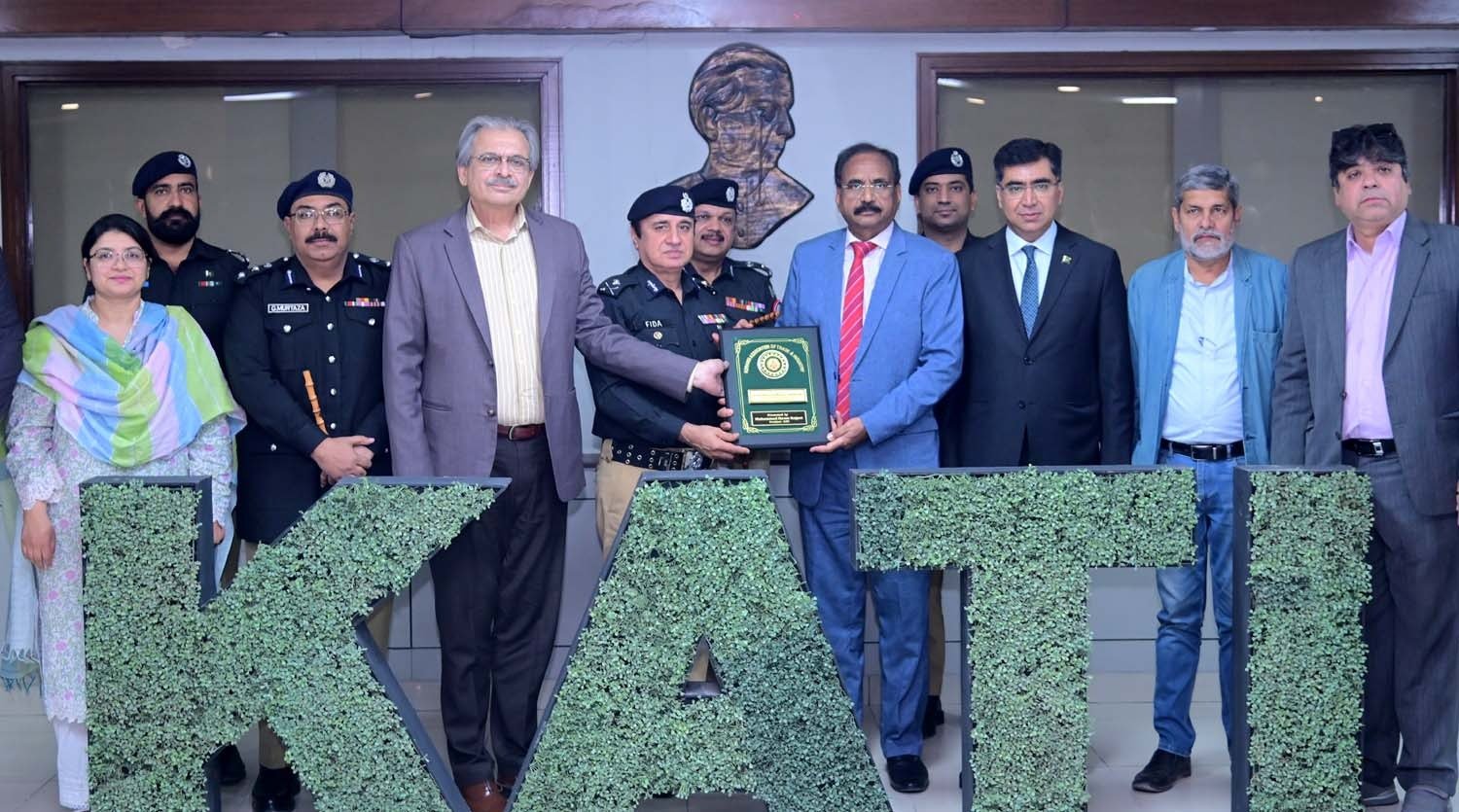
Inspector General of Prisons Sindh, Fida Hussain Mastoi, has emphasized that the primary purpose of prisons is not only to punish but also to reform inmates, provide them with skills, and prepare them to become productive members of society. Speaking during a visit to the Korangi Association of Trade and Industry (KATI), he highlighted that many prisoners, after completing their sentences, are not accepted back into society, which often leads them back to criminal activities.
To address this issue, modern vocational and professional training programs are being introduced in prisons. However, the success of these initiatives depends heavily on the active cooperation of the industrial sector. Mastoi proposed the establishment of a task force comprising KATI members and experts from various industries to oversee the provision of modern machinery, teaching contemporary skills, and arranging industry orders and projects for inmates.
The task force will enable prisoners to work on projects such as textiles, factories, or other industry-related tasks while still in prison, ensuring that upon release they can secure employment and live respectable lives. This approach is expected to reduce crime rates and provide industries with a trained workforce.
KATI President Muhammad Ikram Rajput emphasized that prisons are sensitive yet crucial institutions where lawbreakers should be given a chance for reform along with punishment. He stressed the importance of basic and adult education, technical training such as sewing, carpentry, electrician, and computer courses, and moral and ethical education to prepare inmates for a productive future.
Deputy Patron-in-Chief of KATI, Zubair Chhaya, expressed full support for the initiative, noting that such programs should be long-term and sustainable, as previous projects have often been discontinued with changes in leadership. Chairman of the Standing Committee, Danish Khan, highlighted that the business community has always contributed to such reform projects, including providing voluntary assistance for the bail of financially disadvantaged inmates.
It was also proposed that prisoners receive professional training through cooperation with NGOs and vocational training institutes to equip them with diverse skills and enhance employment opportunities. At the conclusion of the event, Muhammad Ikram Rajput and Zubair Chhaya presented a shield to IG Prisons Sindh, Fida Hussain Mastoi. Other notable attendees included Zahid Hamid, Maheen Salman, Aamir Yousuf, Shehzad Mubeen, Muhammad Aslam Malik, Ghulam Murtaza Sheikh, and Faheem Anwar Memon.