At a meeting of the National Price Monitoring Committee in Islamabad, a detailed review was held of inflation trends in the country, the availability of basic food items, and steps to stabilize the market ahead of Ramadan. The meeting was chaired by Federal Minister for Planning, Development and Special Initiatives Ahsan Iqbal.
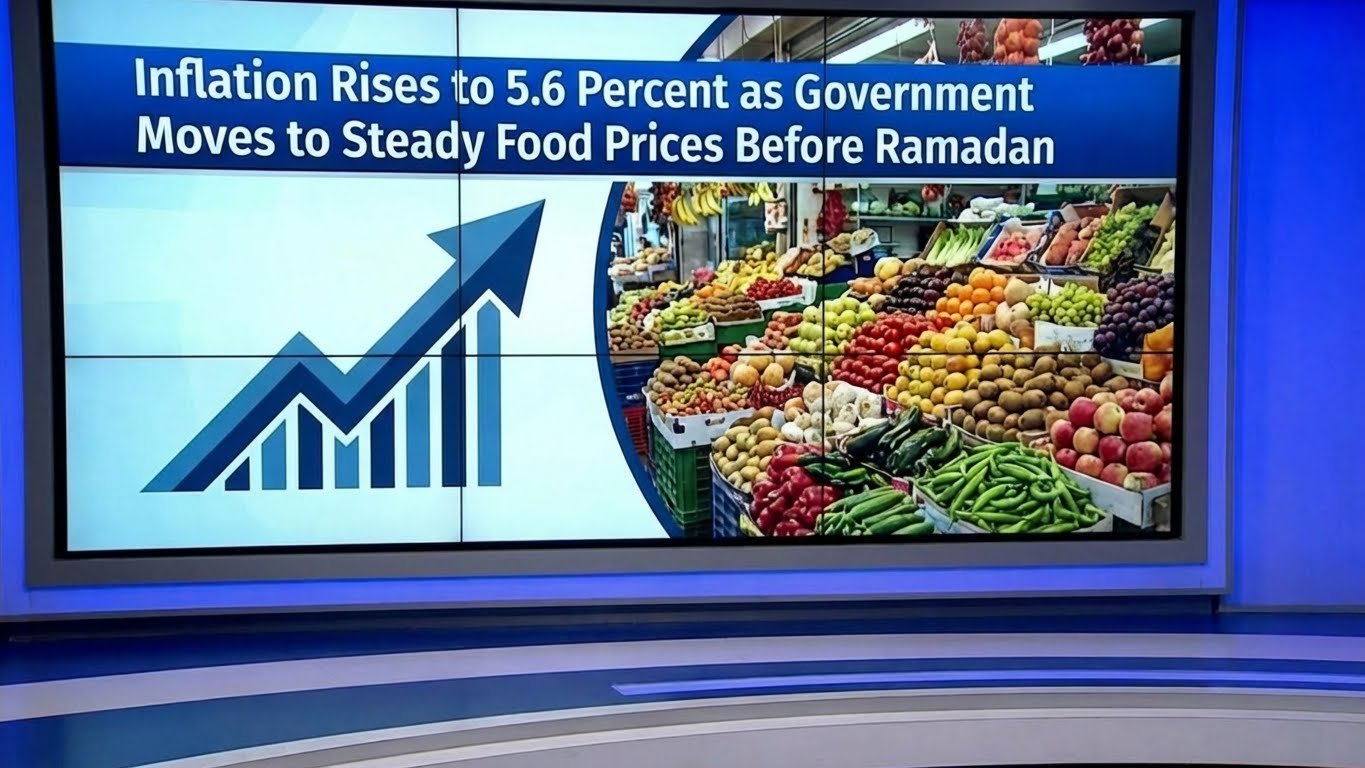
According to sources, the committee was told that the overall inflation rate rose from 4.1 percent in December 2024 to 5.6 percent in December 2025. The main reasons were an increase in gas prices and higher food costs. Experts from the Pakistan Bureau of Statistics informed the meeting that higher charges for gas, gold, wheat, milk, and chicken were major contributors to annual inflation. At the same time, prices of potatoes, tomatoes, onions, tea, pulses, electricity, and stationery showed a decline. PBS system data showed that some items, especially onions and potatoes, remained stable compared to last year.
The meeting was told that the price of a 20 kilogram bag of flour increased from 1,800 rupees to 2,146 rupees over one year. Although pulse prices showed some ups and downs, the overall trend in the Sensitive Price Index points toward some easing ahead of Ramadan.
According to sources, the Ministry of National Food Security said that the wheat sowing target has been achieved and is expected to be fully completed by February. Prices of sugar and chicken, which had risen earlier this year, have now dropped sharply. The price of sugar has fallen from 180 rupees to around 150 rupees per kilogram. The meeting was also told that stocks of wheat, sugar, rice, chicken, and potatoes are satisfactory.
Sources said Ahsan Iqbal directed the Ministry of National Food Security to prepare a detailed study on cold chain infrastructure to reduce post harvest losses and price swings. He also asked for policy papers on the poultry, dairy, and juice sectors, with a focus on value addition and increasing exports. He expressed concern over the use of harmful oils in ghee production and instructed provincial food authorities to strictly enforce quality standards.
In addition, the federal minister called for a detailed report on reducing import dependence and achieving agricultural self sufficiency. He also ordered a review of the supply chains of high demand imported items during Ramadan, such as chickpeas, cooking oil, dates, and pulses, to prevent shortages or hoarding. In the end, the minister said that coordinated cooperation between the federal and provincial governments can ensure consumer protection, food availability, and economic stability.