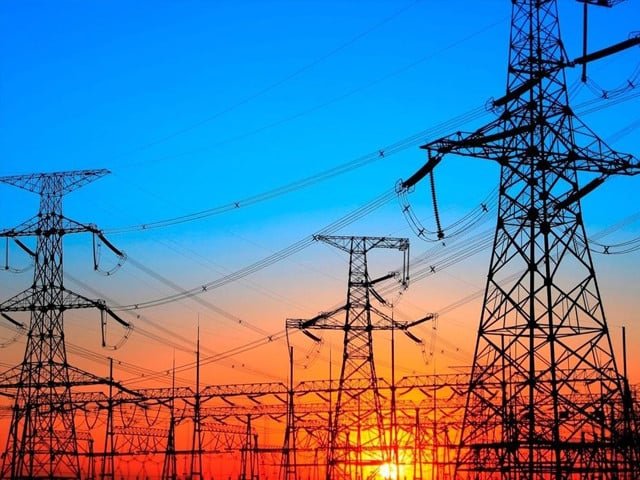
KARACHI: A leading Pakistani trade body says a electricity tariff cut promised to Karachi last year has been undercut by a retroactive billing adjustment worth billions of rupees, deepening a dispute over the city’s power costs that has already driven off a major foreign investor.
The Korangi Association of Trade and Industry, which represents industrial firms in the port city, says the National Electric Power Regulatory Authority’s October 2025 decision to cut the tariff by 7.6 rupees per unit was paired with a lesser-publicized move: reopening two years of fuel cost adjustment calculations and revising them upward, clawing back an estimated 28 billion rupees that had previously been credited to consumers.
The association says the adjustment works out to an extra 2.5 to 3.5 rupees per unit in charges over a year, applied outside Karachi’s standard uniform tariff structure. Industrial electricity users challenged the charge in the Sindh High Court, which granted a stay suspending its collection. The case remains unresolved.
“A stay is not a victory,” the association said, arguing that the ongoing uncertainty has left factories unable to offer firm prices to overseas buyers and households unable to plan around their bills.
The dispute has coincided with a downturn in investor confidence in K-Electric, the only private power utility in Pakistan and Karachi’s sole electricity provider. The company’s share price fell after the October reversal, and Shanghai Electric Power walked away from a $1.77 billion bid to acquire K-Electric, citing regulatory unpredictability, according to the trade association. It also pointed to analyst projections that K-Electric’s roughly 4-billion-rupee profit in fiscal year 2024 could turn into losses of 70 billion to 80 billion rupees, with cumulative annual losses potentially approaching 100 billion rupees.
Separately, the association says the government still owes Karachi’s industries 33 billion rupees in COVID-19-era relief subsidies that were announced but never paid out.
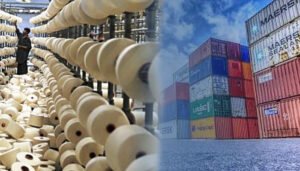
The association argues the stakes extend beyond Karachi, noting the city generates a large share of Pakistan’s tax revenue and hosts the port and textile mills that drive much of the country’s export earnings. Rising energy costs, it said, risk pushing manufacturing jobs out of a city with few alternatives for displaced workers.
NEPRA and K-Electric did not immediately have public comment addressing the trade association’s specific figures. The Sindh High Court case remains pending.