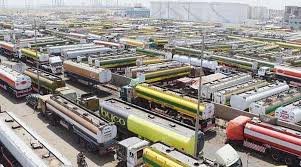
Pakistan may face a worsening fuel crisis as a dispute between the Sindh government and the oil industry over the Sindh Infrastructure Development Cess (SIDC) — amounting to Rs180 billion — threatens to disrupt petroleum supplies and halt industrial operations.
On Tuesday, the Sindh government released a Pakistan State Oil (PSO) tanker that had been held at the port due to the cess dispute. However, the provincial authorities have now demanded payment guarantees from PSO and other oil marketing companies (OMCs) before clearing additional cargoes.
The disagreement dates back to 2021, when the Sindh government imposed the Infrastructure Development Cess on petroleum imports. The oil industry challenged the levy in the Sindh High Court, which initially granted a stay order. Later, a two-member bench lifted the stay, directing companies to pay the cess. The industry appealed to the Supreme Court, which also upheld the payment requirement.
At that time, the then-Petroleum Minister had asked oil companies to provide written assurances to the Sindh government, promising payment after the court’s final verdict. However, implementation of the judicial ruling had been delayed since 2023.
Now, the Sindh government has directed oil companies to settle outstanding dues from 2021 onward, claiming Rs180 billion in unpaid SIDC liabilities. The oil sector, however, argues that the cess was never factored into the fuel pricing mechanism, making payment financially unfeasible.
Industry representatives have appealed to the Ministry of Petroleum for intervention, warning that if forced to pay the full amount, the entire oil industry could collapse.
In a letter dated October 17, the Deputy Director (Headquarters) of the Sindh Directorate General of Excise and Taxation wrote to the Federal Minister for Petroleum, urging enforcement of the Supreme Court’s September 1, 2021 decision and the Sindh Cabinet’s October 6, 2025 directive.
The letter requests that PSO and other importers submit bank guarantees for the clearance of petroleum cargoes. The Sindh government has cautioned that any delay in providing guarantees will make PSO and other oil companies solely responsible for any resulting fuel shortages or supply disruptions.
The Sindh Cabinet, during its meeting on October 6, 2025, reviewed the implementation of the cess on petroleum imports and decided that the concerned department should immediately coordinate with the federal government, the petroleum ministry, and PSO to ensure compliance with the Supreme Court’s orders. It further directed all companies to submit their bank guarantees within 15 days.