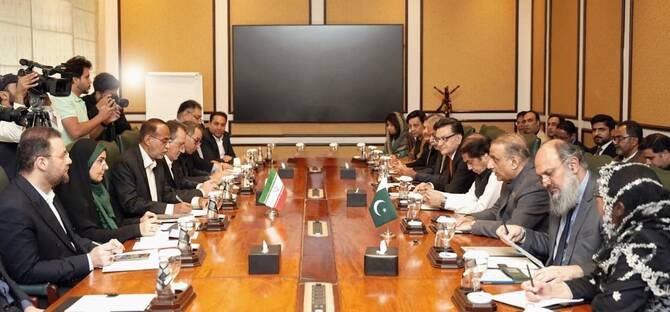
The National Assembly’s Standing Committee on Commerce has directed the Ministry of Commerce to take necessary steps to resolve issues hindering trade between Pakistan and Iran in order to promote bilateral trade.
According to sources, in its recent meeting, the Ministry of Commerce briefed the committee on the overall state of bilateral trade, highlighting recent developments as well as ongoing challenges. The ministry informed the committee that although the import of steel from Iran has been allowed, it has harmed the local steel manufacturing industry, with several units now facing the risk of closure.
Commerce Ministry sources said that trade with Iran remains a sensitive matter due to US sanctions, along with concerns about smuggling and undocumented transactions. Committee members were told that trade data should be reviewed carefully, as a large portion of trade is still being conducted outside the formal banking system. Large sums of money are being transferred through informal channels, bypassing customs check posts, SRO requirements, and oversight by the Trade Development Authority of Pakistan.
Sources said the committee was informed that most trade between Pakistan and Iran is currently taking place under a barter system. Although political and diplomatic ties have improved in recent times, tariff and non tariff barriers continue to restrict trade.
Commerce Ministry sources said that Iran has imposed restrictive measures on Pakistani exports of rice and mangoes, while logistical problems also persist. Pakistani transporters are only allowed to travel up to Taftan. Over the past three months, commercial diplomacy activities have increased, with 150 Pakistani traders from 17 different sectors taking part in bilateral engagements, including rice, fruits, vegetables, plastics, and polymers.
However, the Quetta Chamber of Commerce and Industry pointed out that export and import permissions are still limited to a single designated person, and a proposal to revise this is awaiting approval from the Economic Coordination Committee.
The Ministry of Commerce also informed the committee that the Pakistan Iran Joint Economic Forum has been reactivated. According to Iranian customs data for 2024, Pakistan’s exports to Iran stood at 2.706 billion dollars, while imports from Iran were 2.422 billion dollars.
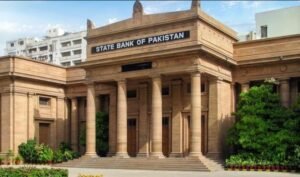
The committee chairman stressed that all trade activities must be conducted strictly through formal channels and that consultation with the State Bank of Pakistan and the Ministry of Foreign Affairs is necessary. Security concerns of traders on the Quetta Taftan route were also highlighted.