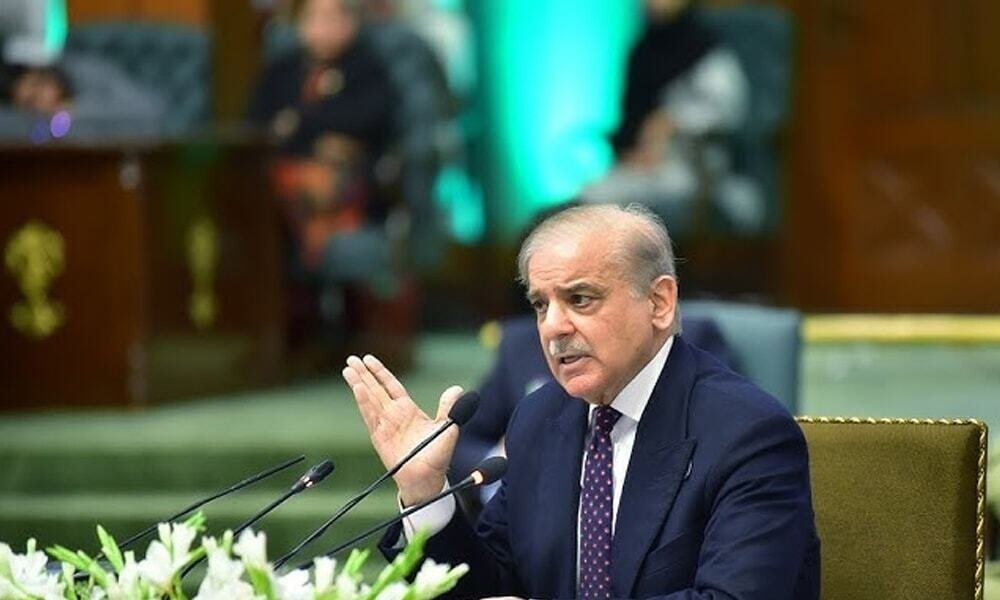
Prime Minister Shehbaz Sharif has taken a decisive step toward reshaping the country’s economic future by forming an empowered committee led by Finance Minister Muhammad Aurangzeb.
The purpose of this committee is to transform private-sector proposals into practical reforms, with a special focus on restructuring the tax system. This panel, headed by the finance minister, is an important part of the government’s efforts to revive the economy. It will review private-sector recommendations and develop an implementation strategy based on them.
The Prime Minister emphasized that the committee will prepare a realistic action plan founded on a comprehensive analysis of all private-sector recommendations. In a meeting held immediately after his return from London, the Prime Minister outlined the government’s core priorities, which include export-led growth and improvement of the business environment. He stated that the committee’s task is to convert the private sector’s detailed suggestions into actionable steps that can produce concrete economic results.
Reiterating the government’s commitment to fostering a competitive business environment, the Prime Minister said the government is taking practical and well-thought-out measures for economic development, with exports at the center of this strategy. He stressed that business leaders and investors play a key role in shaping the country’s economic future.
The meeting was part of ongoing consultations with private-sector experts, aimed at identifying major reforms needed in the long-troubled tax system. The Prime Minister highlighted that the government considers the private sector a driver of economic prosperity and will extend full support to it. He said businesses play a crucial role in contributing to national revenue, and a strong economy naturally improves tax compliance. According to him, the real foundation for increasing tax revenue lies in economic strength, and improving the business environment can significantly boost tax collection.
The Prime Minister reaffirmed the government’s commitment to long-term reforms that will make Pakistan’s business environment more competitive both regionally and globally. He also thanked the private sector for the comprehensive proposals presented in previous meetings.
According to a statement issued by the Prime Minister’s Office, the Tax Reforms Working Group held a meeting the same day, attended by prominent figures from the business community. Business leaders thanked the Prime Minister for abolishing the Export Development Surcharge, calling it major relief for exporters and an important step toward improving Pakistan’s trade competitiveness.
The meeting also reviewed tax rates across various sectors and compared Pakistan’s tax structures with those of neighboring countries. Suggestions were presented to support private-sector growth, promote exports, and increase investment in Pakistan. The recommendations focused on enhancing the competitiveness of Pakistan’s business sector, particularly in the rapidly growing regional competition.