
According to the Monthly Economic Update for October 2025 issued by the Finance Division, Pakistan recorded a notable increase in workers’ remittances during September, while foreign investment — particularly Foreign Direct Investment (FDI) — saw a sharp decline.
The report states that remittances rose by 11.3% compared to the same period last year, whereas FDI dropped by 55.5%, falling from $417.4 million in September 2024 to $185.6 million in September 2025. Overall foreign investment declined by 64.5%.
The report projects that inflation for October is expected to remain between 5% and 6%, as recent floods and temporary border closures have exerted pressure on prices of essential commodities. The government reaffirmed its commitment to maintaining fiscal discipline, keeping inflation within target, and providing social protection to vulnerable segments of the population.
Preliminary estimates suggest that the recent floods caused losses of around Rs 430 billion to the agriculture sector, affecting crops such as rice, cotton, sugarcane, maize, fodder, and vegetables. However, efforts for recovery are underway through increased agricultural loans, imports of farm machinery, and better fertilizer utilization.
The report highlights that Large-Scale Manufacturing (LSM) recorded 4.4% growth during July–August FY2026, while inflation rose to 5.6% in September, up from 3% in August. The average inflation for July–September stood at 4.2%, compared to 9.2% in the same period last year.
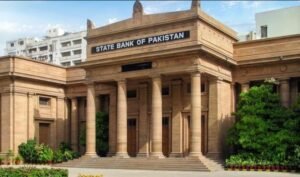
Federal revenues showed a remarkable improvement, rising 231% to reach Rs 3,269 billion. Non-tax revenues surged by 721%, primarily due to higher State Bank profits, petroleum levy collections, gas cess, and defense receipts. Expenditures increased by only 7.6%, resulting in a federal fiscal surplus of Rs 1,509 billion, compared to a deficit of Rs 648 billion in the previous year.
The current account posted a deficit of $594 million during July–September, though a surplus of $110 million was recorded in September alone. Exports increased by 6.5%, while imports rose by 8.3%. Remittances grew 8.4%, reaching $9.5 billion, with Saudi Arabia accounting for 24.2% and the United Arab Emirates for 20.8% of total inflows.
The Pakistan Stock Exchange (PSX) maintained its bullish trend in September, with the KSE-100 Index gaining 16,875 points to close at 165,493, while market capitalization rose to Rs 19.2 trillion. Meanwhile, overseas employment registrations surged by 43%, and the Poverty Alleviation Fund disbursed 5,370 interest-free loans during the month.
The report concludes that Pakistan is moving toward sustainable and inclusive economic growth driven by the government’s ongoing financial reforms, digital governance initiatives, privatization efforts, and progress under CPEC Phase 2.0 projects.