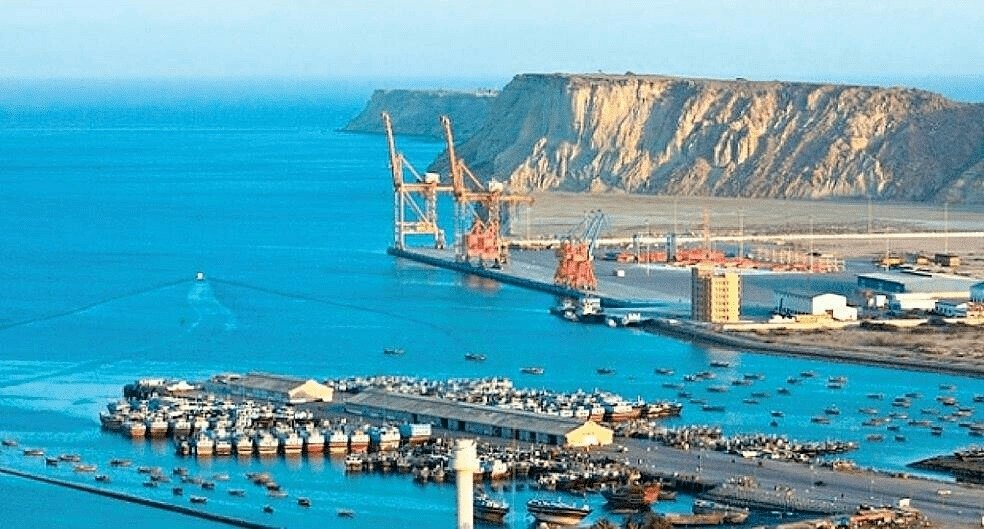
Sea-level rise is commonly considered one of the main causes of rising groundwater and the submergence of low-lying coastal areas. However, in Gwadar — a port city located along Pakistan’s Makran coast — the issue is far more complex and interconnected. The rising groundwater levels in Gwadar are being driven not only by climate change but also by human activities.
As sea levels rise, saltwater is pushed upward, while years of excessive groundwater pumping draw seawater into aquifers — the underground layers where water is stored.
Nearly 80% of the city lacks a proper sewage system, causing wastewater to seep into surface aquifers and directly raise the groundwater level. At the same time, changes in land use — such as encroachments, land reclamation from the sea, and unplanned development — have disrupted the natural drainage system. As a result, rainwater is unable to flow back into the sea and remains trapped in the ground, reducing the land’s capacity to absorb water.
These factors combined are leading to recurring flooding, environmental degradation, and increased risks to building foundations across the city.