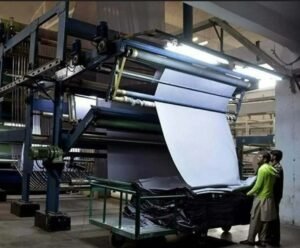
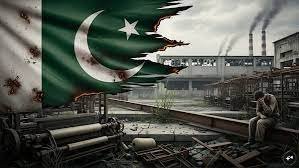
Sindh was once considered the industrial backbone of Pakistan, and the smoke rising from the chimneys of factories, mills, and plants in Karachi’s industrial zones symbolized the strength of the national economy. From Hyderabad, Kotri, and Naushahro Feroze to Ghotki, the widespread network of industries contributed significantly to the country’s production, employment, and exports.
But over time, this industrial wheel began to slow down. Today, not only has new industrial development come to a halt, but old factories are also shutting down. The question is: why has Sindh’s industry declined?
This in-depth report by Tijarat News, based on ground realities, explains the causes, factors, and background of Sindh’s industrial downfall—providing clear answers to this critical question.
According to the special report by Tijarat News, the foremost factor eating away Sindh’s economic progress is the energy crisis, which dealt the most severe blow to industries. An unreliable energy supply became the biggest cause of industrial decline.
Low gas pressure, unannounced load-shedding, and repeated increases in electricity tariffs eroded industrialists’ confidence. Many industrial estates receive gas at extremely low pressure, increasing production costs and pushing factories into losses.
The second major reason is the lack of consistency in government policies.
Subsidies are granted and then withdrawn.
Incentives for industrial zones are announced, but land acquisition and NOC processes remain stuck for years.
Files keep rotating on bureaucratic tables, and investors keep running after approvals.
For industrialists, the biggest question becomes: “If continuity and security of future policy isn’t guaranteed, where should we invest?”
The third reason is the collapsed infrastructure—broken roads, clogged drains, and industrial zones turning into ruins.
Most industrial areas in Sindh suffer from:
- broken roads
- dysfunctional drainage
- no streetlights
- chronic water shortages
From Karachi’s SITE, Korangi, and Landhi zones to Hyderabad’s industrial areas, the situation is the same. If trucks can’t even reach factories, and entire zones flood during rain, how can industries operate?
The fourth factor is law and order and extortion.
From 2005 to 2015, the situation in Karachi and other industrial cities caused severe losses to industrialists.
Extortion, kidnapping for ransom, and crimes along transport routes destroyed the investment climate.
Although the situation has improved, the wounds of the past continue to hurt investor confidence.
The fifth reason is the complex tax system and the involvement of multiple agencies.
An industrialist has to deal with dozens of federal and provincial departments:
- Federal Board of Revenue
- Sindh Revenue Board
- Environment Department
- Labour Department
- Excise
- Food authorities, etc.
Each department has its own procedures, penalties, fees, and—often—corruption and interference.
For investors, this environment becomes a push factor rather than support for growth.
The sixth issue is expensive raw materials and a weak supply chain.
High import duties, a strong dollar, and delays in port clearance have made raw materials costlier.
Industries such as textiles, food processing, chemicals, and auto parts rely heavily on imports.
When containers remain stuck at ports for weeks and costs multiply, production planning collapses.
The seventh reason is the lack of investment in modern technology.
While the world advanced, most industries in Sindh delayed adopting modern machinery and automation due to:
- lack of financial support
- high bank interest rates
- poor government backing
As a result, Sindh’s industries fell behind in global competitiveness.
The eighth cause of industrial decline is the shortage of skilled labor.
Weak technical training centres and vocational institutes failed to prepare a skilled workforce.
Industries cannot find trained workers, and existing labor skills do not match modern industrial requirements.
Engineering graduates also lack industry-specific training, affecting both quality and production speed.
Tijarat News wishes to remind policymakers that Sindh’s industry is not dead—only sick.
With consistent energy policies, rehabilitation of infrastructure in industrial zones, one-window operations, low-cost financing, modern machinery, skilled labor, and strong law and order, this industrial wheel can once again run at full speed.
The real question is: When will the government, industrialists, and institutions align on a single page?
If that becomes possible, Sindh’s industry can once again become the economic backbone of Pakistan.