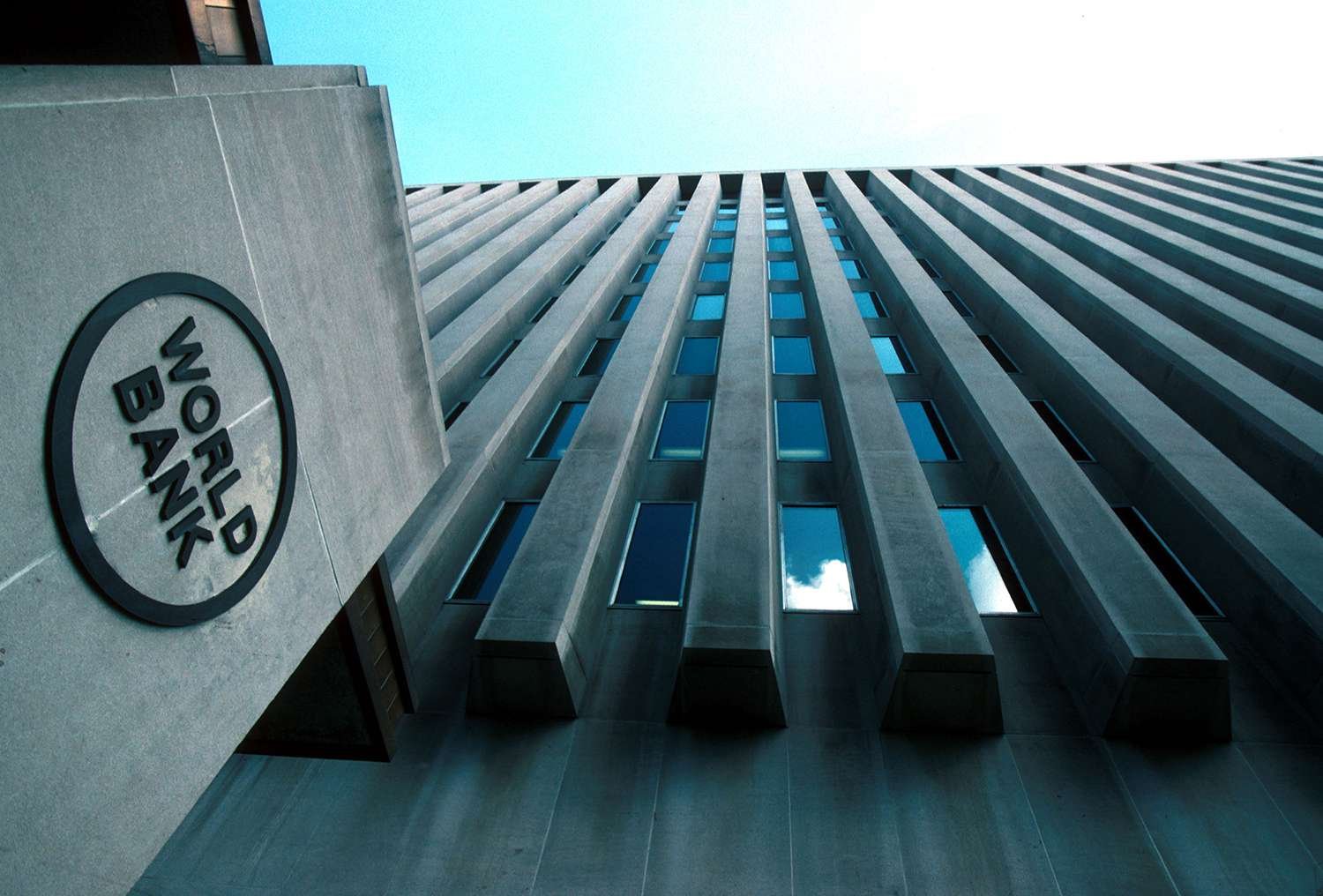
The World Bank has warned in its latest “Poverty and Equity Brief” report that actual economic inequality in Pakistan may be higher than official estimates, as high-income groups are often underrepresented in household surveys.
According to the report, based on the Gini index, inequality in household consumption in Pakistan stands at 30.3 points, a decline of 1.4 points compared to last year. The World Bank stated that poverty has decreased due to modest economic growth of 2.7% in FY2025, lower inflation, and improved macroeconomic stability. Under the new LMIC poverty line of USD 4.20 per day (2021 PPP), the poverty rate has fallen from 47.1% to 45%.
This improvement is largely attributed to rapid growth in the construction and logistics sectors, which boosted labor incomes. Approximately 25% of the poor are employed in these sectors. Additionally, a significant decline in food inflation improved the purchasing power of low-income households, as poor families spend about 45% of their income on food.
However, recent climate disasters are threatening these economic gains. Since June 2025, heavy monsoon rains and glacial melt have triggered floods that have affected more than two million people, destroyed 0.5 million hectares of cultivated land, and are estimated to have reduced agricultural output in Punjab by 10%. The production of major crops—including rice, sugarcane, cotton, wheat, and maize—has been hit, raising concerns about food insecurity, especially in FY2026.
The World Bank cautioned that if recovery and social protection measures in the affected regions are not effective, recent poverty reduction gains could be reversed. The report highlighted that remittances have reached 9.3% of GDP, providing crucial support to vulnerable segments. However, the poorest groups benefit the least—only 3.2% of poor households receive remittances.